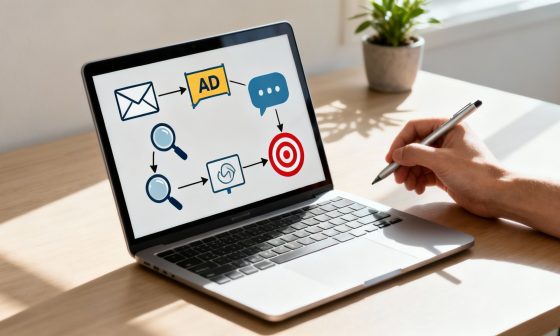
In today's competitive landscape, a solid blueprint and a prime location are just the starting points. Effective real estate developer marketing is the engine that transforms a promising project into a sold-out success story. Let's be honest, the days of relying solely on print ads and billboards are long gone. Modern buyers and investors are digitally savvy, and they want immersive experiences, transparent information, and a genuine connection before they even think about committing.
This guide is designed to cut through the noise, giving you a friendly roundup of 10 actionable, high-impact marketing strategies tailored specifically for developers. We're moving beyond generic advice to provide a strategic roadmap for building a powerful digital footprint and creating experiences that not only showcase your properties but also build a brand people trust. You'll learn how to implement everything from smart SEO and virtual tours to targeted paid ads and community-building social media campaigns.
Think of each strategy as a vital part of a complete marketing plan, helping you attract the right leads, nurture them effectively, and ultimately, speed up your sales cycles. Let's dive into the practical steps and fresh perspectives you need to turn your marketing from a simple expense into your most valuable investment.
1. Master Digital Marketing & SEO for Local Dominance
In today's market, your digital storefront is just as crucial as your physical developments. A strong digital marketing strategy, anchored by Search Engine Optimization (SEO), is the foundation of effective real estate developer marketing. The goal is simple: make your projects highly visible to potential buyers at the exact moment they're searching online. By optimizing your website and content, you can climb to the top of local search results and grab high-intent leads before your competitors do.
A successful digital presence is more than just having a website; it’s about a multi-faceted strategy. For instance, Pulte Homes does a great job creating specific landing pages for each community, targeting hyperlocal keywords. This ensures that when a buyer searches "new homes in Scottsdale, AZ," Pulte is right there at the top.
Actionable Strategies for Implementation
- Target Hyperlocal Keywords: Focus on long-tail keywords that show buyer intent, like “luxury condos near downtown Austin” or “new construction single-family homes in [neighborhood name].”
- Create Dedicated Project Pages: Develop unique, SEO-optimized pages for each development. Include all the details: floor plans, amenities, pricing, and virtual tours.
- Leverage Structured Data: Use schema markup on your property listings. This helps search engines understand your content and can lead to rich snippets (like pricing and availability) appearing directly in search results. To level-up your local presence, check out this guide on local SEO strategies for builders.
- Optimize for Mobile: A 2023 report from the National Association of Realtors found that 53% of buyers used a mobile device during their home search. Make sure your website is fully responsive and offers a seamless mobile experience.
For a deeper dive into crafting a winning online strategy, you can explore more on our digital marketing and advertising services.
2. Virtual Tours and 3D Visualization
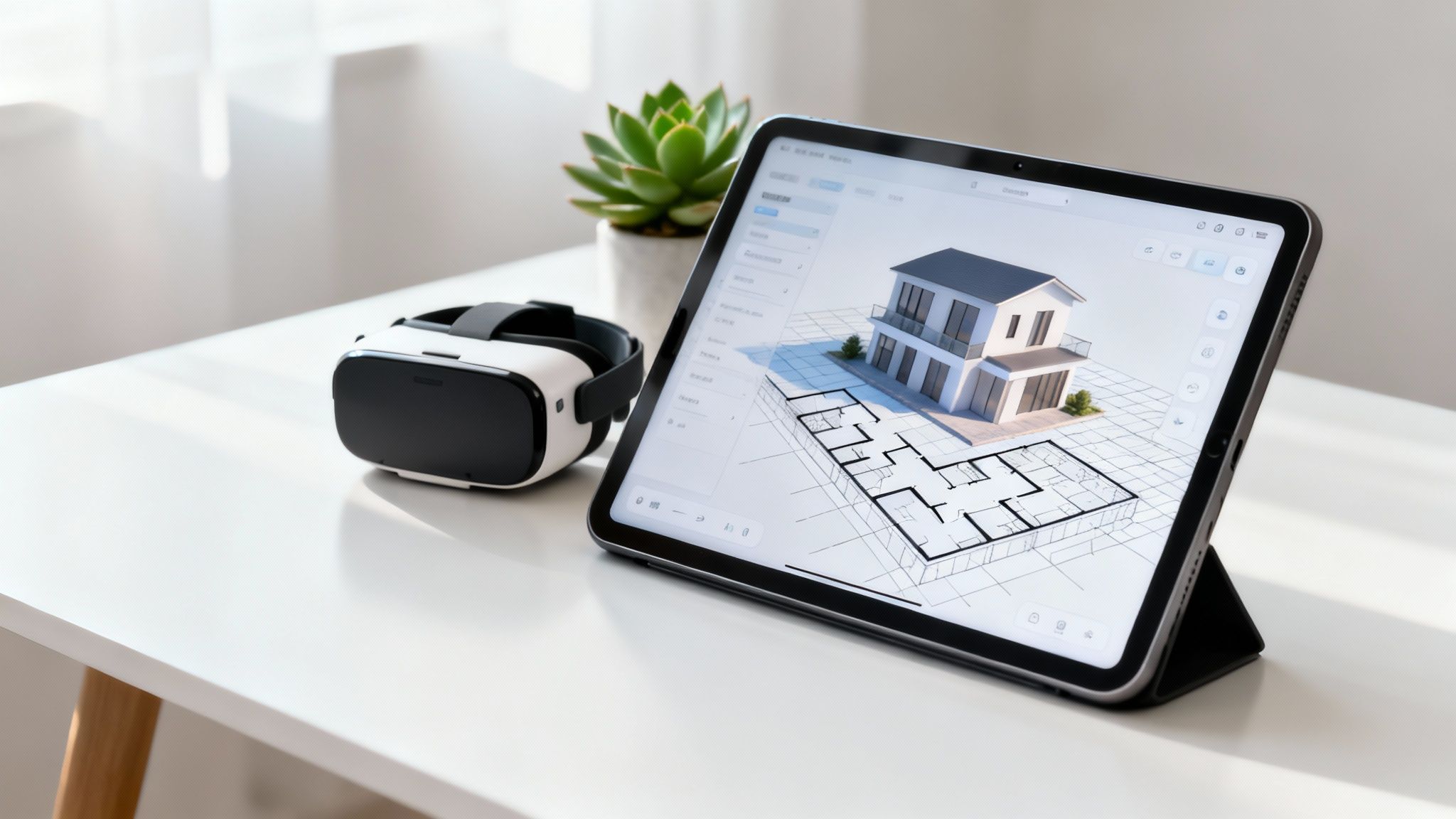
In our increasingly digital world, offering immersive experiences is a game-changer in real estate developer marketing. Virtual tours and 3D visualizations let prospective buyers explore properties from anywhere, anytime. This technology bridges the gap between imagination and reality, showcasing unbuilt projects with incredible accuracy and helping buyers connect emotionally with a space before ever stepping foot on-site.
Leading developers use tools like Matterport to create photorealistic 3D walkthroughs that give buyers a true feel for a home's layout. This not only makes for a better user experience but also qualifies leads more effectively—potential buyers arrive for in-person showings already knowing they like the space. For pre-construction projects, these visualizations are absolutely essential for securing early sales and building market momentum.
Actionable Strategies for Implementation
- Invest in High-Quality Renderings: For unbuilt properties, use high-fidelity 3D renderings and animations to highlight architectural details, materials, and potential interior designs.
- Create Interactive Floor Plans: Let users click on different areas of a 2D floor plan to see 3D views or photos of that specific space, making the layout much easier to understand.
- Utilize 360-Degree Virtual Tours: Use technology like Matterport for completed or nearly-completed properties to create interactive, self-guided tours that offer a comprehensive view.
- Explore Immersive Technologies: To truly wow potential buyers, look into virtual reality interior design, allowing them to visualize spaces before they’re even built.
- Embed Tours on Your Website: Integrate your virtual tours directly into your project pages to keep users engaged and provide a seamless browsing experience.
By adopting these visualization tools, you can significantly shorten the sales cycle and appeal to a broader, tech-savvy audience.
3. Content Marketing & Thought Leadership
Beyond just promoting specific properties, establishing your firm as an industry authority builds long-term trust that attracts sophisticated buyers and investors. This element of real estate developer marketing is all about creating and sharing valuable, relevant content that answers your audience's biggest questions. By consistently publishing insightful analysis, you position your brand as a go-to expert, creating a powerful competitive advantage that lasts long after a project is sold.
This strategy shifts the focus from a hard sell to education and relationship-building. For instance, commercial developer CBRE publishes in-depth market intelligence reports that are widely cited by industry pros, solidifying their status as a thought leader. Similarly, Brookfield Properties uses its platform to share sophisticated investment insights, attracting a high-value audience.
Actionable Strategies for Implementation
- Develop a Content Calendar: Plan your topics 3-6 months ahead, focusing on things like market trends, investment analysis, local zoning changes, and community development guides.
- Focus on Audience Intent: Create content that answers specific questions your target buyers or investors are searching for, such as "best neighborhoods for real estate investment in Miami" or "benefits of mixed-use developments."
- Use Data to Build Credibility: A recent study by Semrush in 2023 highlighted that data-driven content is perceived as more trustworthy. Incorporate proprietary data, recent statistics, and expert analysis to strengthen your claims and provide unique value.
- Repurpose Key Content: Turn a comprehensive market report into a series of blog posts, an infographic, a webinar, and social media updates to maximize its reach and impact.
To build a robust content engine that drives authority and engagement, you can explore our approach to content marketing and strategic communications.
4. Email Marketing & Lead Nurturing
Email marketing is a direct and incredibly powerful channel to guide prospects through the lengthy real estate buyer journey. For real estate developer marketing, this strategy is fantastic for building and maintaining relationships, turning cool leads into warm prospects, and eventually, into buyers. By delivering targeted, valuable content directly to an interested audience's inbox, you keep your projects top-of-mind and build lasting trust.
This approach allows you to segment your audience and deliver hyper-relevant information. For example, luxury developer Extell Development Company uses VIP email campaigns to offer exclusive pre-launch access and updates to its most interested prospects. This creates a sense of exclusivity and urgency, which helps drive early commitments. Likewise, Meritage Homes uses automated email sequences tailored to a buyer's stage in the journey, providing relevant info from their first inquiry to post-purchase follow-ups.
Actionable Strategies for Implementation
- Segment Your Lists: Divide your audience by buyer stage (e.g., initial inquiry, site visit, pre-approved) and property interest (e.g., specific community, unit type).
- Automate Nurturing Sequences: Create automated workflows that trigger based on user actions, like downloading a brochure or scheduling a tour.
- Craft Compelling Subject Lines: Keep subject lines concise (30-50 characters) and create a sense of urgency or curiosity, like “First Look: New Floor Plans Released at [Community Name].”
- Include Strong Visuals: Use high-quality photos, renderings, and links to virtual tours to showcase your properties effectively and make your emails pop.
5. Strategic Partnerships & Co-Marketing
No development exists in a vacuum. A savvy real estate developer marketing strategy leverages strategic partnerships to amplify reach, share costs, and add more value for buyers. By collaborating with complementary businesses like mortgage lenders, interior designers, and local real estate agencies, you can tap into their established audiences and create a more comprehensive offering. This approach transforms a single marketing effort into a multi-channel campaign with shared credibility.
A great example is Lennar’s integration with their in-house mortgage and title services, which creates a seamless, one-stop-shop buying experience. Similarly, many luxury developers partner with high-end furniture brands to stage model homes, offering exclusive discounts to new buyers and creating a powerful cross-promotional opportunity that benefits everyone.
Actionable Strategies for Implementation
- Identify Aligned Partners: Look for businesses whose target audience overlaps with yours but who aren't direct competitors. Think mortgage brokers, home warranty companies, and local moving services.
- Create Win-Win Propositions: Structure agreements where both parties get clear value. This could be lead sharing, co-hosting open house events, or offering bundled packages to new homeowners.
- Define Roles and Expectations: Clearly outline responsibilities, marketing contributions, and how you'll track leads in a formal agreement to make sure everyone is on the same page.
- Launch Joint Marketing Campaigns: Develop co-branded materials for social media, email newsletters, and local print advertising. This doubles your marketing reach and provides a unified message to potential buyers.
6. Event Marketing & Experiential Activations
Experiential marketing creates immersive brand interactions that go far beyond a typical ad. For real estate developer marketing, this means hosting memorable events that build genuine connections with potential buyers, investors, and the local community. By turning a property viewing into an exclusive experience, you can generate serious buzz, foster emotional engagement, and create powerful, shareable social media moments that amplify your reach organically.
These activations can turn prospects into brand fans. For instance, Related Companies curated a series of high-profile art installations and cultural events at Hudson Yards in New York, drawing huge crowds and positioning the development as a premier lifestyle destination. This strategy helps build a community identity long before the final brick is laid.
Actionable Strategies for Implementation
- Design Instagrammable Moments: Create visually stunning setups, from a beautifully staged model home to a unique photo booth, that encourage guests to share their experience on social media.
- Host Themed Showcases: Organize exclusive events like a "chef's table" in a model kitchen or a "sunset yoga" session on a rooftop terrace to highlight specific lifestyle amenities.
- Leverage Local Partnerships: Collaborate with local artists, chefs, or businesses to co-host community-focused events. This builds goodwill and introduces your development to new audiences.
- Capture and Nurture Leads: Use event registration to collect contact information and set up a post-event follow-up sequence to nurture the leads you gathered during the activation.
To discover how to plan and execute impactful brand experiences, explore more about our event marketing and experiential activations.
7. Influencer & Agent Partnerships
Tapping into established networks through influencer and agent partnerships is a seriously effective strategy in modern real estate developer marketing. This approach leverages the credibility and reach of trusted voices—from social media personalities to top-performing real estate agents—to promote your developments authentically. Influencers offer a direct line to niche, engaged audiences, while agents provide a direct sales channel, amplifying your message through people potential buyers already trust.
This dual-pronged strategy builds social proof and drives qualified traffic. For example, a developer could partner with a well-known interior design influencer on Instagram to stage and showcase a model home, reaching thousands of their design-savvy followers. Similarly, teaming up with a top local agent who specializes in new construction can position your development as a premier opportunity within their extensive client base.
Actionable Strategies for Implementation
- Align with Your Target Market: Choose influencers and agents whose audience demographics and brand values perfectly match your ideal buyer profile.
- Verify Engagement Authenticity: Look beyond follower counts. Analyze comment quality, share rates, and audience sentiment to make sure you're partnering with someone who has a genuinely engaged community.
- Establish Clear Partnership Terms: Create a detailed agreement that outlines content deliverables, messaging guidelines, usage rights, and compensation to ensure everyone is aligned.
- Equip Partners for Success: Give influencers and agents exclusive access, high-quality marketing materials, key talking points, and unique tracking links to measure their impact effectively.
8. Video Marketing & YouTube Strategy
Video has become an essential tool in modern real estate developer marketing, completely changing how projects are showcased. A strategic video approach, especially on platforms like YouTube, allows you to tell compelling stories, show progress visually, and build trust. From immersive property walkthroughs to construction time-lapses, video content grabs attention and connects with buyers on a deeper, more emotional level than static images ever could.
This visual medium is perfect for conveying the scale, quality, and lifestyle of a development. For instance, luxury developers often create cinematic videos that showcase not just the property, but the aspirational experience of living there. On the educational side, Zillow uses short-form video to provide market updates, positioning itself as a trusted authority. This strategy builds an audience and keeps the brand top-of-mind.
Actionable Strategies for Implementation
- Create Diverse Video Content: Produce a mix of content, including detailed property tours, developer interviews to build credibility, buyer testimonials for social proof, and drone footage to highlight the location and amenities.
- Optimize for YouTube SEO: Treat YouTube like a search engine. Use relevant keywords like “new condos in [City]” in your video titles, descriptions, and tags to attract organic views from interested buyers.
- Hook Viewers Immediately: The first 3-5 seconds are critical. Start with a stunning visual, a compelling question, or a bold statement to capture attention and stop viewers from skipping.
- Incorporate Clear Calls-to-Action (CTAs): End your videos by telling viewers what to do next. This could be visiting your project website, scheduling a tour, or subscribing to your channel for updates.
9. Paid Advertising & Retargeting Campaigns
Organic reach is great, but paid advertising offers speed, precision, and scale that are essential in competitive markets. A strategic paid media plan, combining platforms like Google Ads and social media, is a cornerstone of modern real estate developer marketing. It lets you place your developments directly in front of targeted audiences who are actively searching or fit the demographic profile of your ideal buyer, driving immediate traffic and generating qualified leads.
Retargeting is the crucial second step. It re-engages potential buyers who have visited your website but left without taking action. By showing them follow-up ads across different platforms, you keep your properties top-of-mind and gently guide them back. For instance, a user who viewed a specific floor plan can be shown a dynamic ad on Facebook showcasing that exact unit, which significantly boosts the likelihood of them coming back.
Actionable Strategies for Implementation
- Segment Your Audiences: Create different campaigns for different buyer personas. For example, run Instagram ads targeting affluent millennials for urban condos and Google Ads focused on family-oriented keywords for suburban developments.
- Develop Campaign-Specific Landing Pages: Direct your ad traffic to a dedicated landing page that matches the ad's messaging and visuals, not your generic homepage. This creates a smoother user experience and improves conversion rates.
- Implement a Retargeting Pixel: Install the Facebook Pixel and Google Ads tag on your website from day one. This lets you build remarketing audiences based on user behavior, like visitors who viewed specific property pages.
- Leverage Dynamic Product Ads: Use platforms like Facebook to automatically show ads for the specific properties or communities a user has already viewed on your website, creating a highly personalized and effective follow-up.
10. Community Building & Social Media Engagement
Beyond just selling properties, successful real estate developer marketing is about cultivating a vibrant community around your brand. This strategy transforms one-time buyers into long-term advocates by fostering a sense of belonging. Through authentic social media engagement, you can build trust, generate powerful word-of-mouth marketing, and create a loyal following that supports your projects long after they are sold out.
This approach focuses on two-way conversations, not one-way advertising. For instance, creating a private Facebook group for new homeowners allows them to connect, share experiences, and receive exclusive updates, strengthening their bond with your brand. Similarly, using Instagram to showcase the lifestyle and stories of current residents provides authentic social proof and humanizes your development, making it more appealing to prospects.
Actionable Strategies for Implementation
- Host Interactive Q&A Sessions: Use Instagram Live or LinkedIn Events to host Q&A sessions with project managers or architects to answer questions directly from potential buyers.
- Share Behind-the-Scenes Content: Post regular updates from the construction site, feature team members, and share the story behind your design choices to build transparency and excitement.
- Encourage User-Generated Content (UGC): Run contests asking residents to share their favorite photos of their homes or neighborhood using a branded hashtag. Reposting this content is fantastic, authentic social proof.
- Engage Consistently: Aim to post 3-5 times per week and make a commitment to respond to all comments and direct messages within 24 hours to show your audience that you are listening and you care.
10-Point Comparison: Real Estate Developer Marketing Strategies
| Strategy | Implementation Complexity 🔄 | Resource Requirements ⚡ | Expected Outcomes 📊 | Ideal Use Cases 💡 | Key Advantages ⭐ |
|---|---|---|---|---|---|
| Digital Marketing & SEO for Real Estate | Medium-High 🔄🔄🔄 — continuous optimization needed | Medium–High ⚡⚡⚡ — tools, agencies, content | Steady targeted traffic; measurable leads; long-term organic growth | Ongoing lead generation; location-based launches; broad-market visibility | Targeted reach; measurable ROI; scalable organic growth ⭐⭐⭐⭐ |
| Virtual Tours and 3D Visualization | High 🔄🔄🔄🔄 — technical production & integration | High ⚡⚡⚡⚡ — pro equipment, 3D talent, platforms | Strong engagement; higher conversion; faster buyer decisions | Luxury developments, off-plan sales, remote/international buyers | Immersive experiences; competitive differentiation; higher conversions ⭐⭐⭐⭐⭐ |
| Content Marketing & Thought Leadership | Medium 🔄🔄 — consistent production schedule | Medium ⚡⚡ — writers, research, distribution channels | Increased authority; sustained organic traffic; qualified leads | Brand building; investor relations; long-term trust cultivation | Builds credibility; supports SEO and sales; cost-efficient over time ⭐⭐⭐⭐ |
| Email Marketing & Lead Nurturing | Low–Medium 🔄🔄 — setup plus ongoing sequences | Low–Medium ⚡⚡ — CRM, templates, automation | High ROI; improved retention; predictable nurture pathways | Pre-launch lists, drip campaigns, VIP offers | Direct, measurable, personalized communication; very cost-effective ⭐⭐⭐⭐ |
| Strategic Partnerships & Co‑Marketing | Medium 🔄🔄 — coordination and legal clarity | Low–Medium ⚡⚡ — partner activation costs, shared spend | Extended reach; shared leads; reduced acquisition cost | Financing partners, designer/retailer co-promos, cross‑local campaigns | Access partner audiences; credibility boost; cost sharing ⭐⭐⭐ |
| Event Marketing & Experiential Activations | High 🔄🔄🔄🔄 — logistics and live execution | High ⚡⚡⚡⚡ — venues, staffing, production | Immediate buzz; direct leads; social content generation | Grand openings, VIP previews, local community engagement | Personal connection; memorable brand experiences; media attention ⭐⭐⭐ |
| Influencer & Agent Partnerships | Medium 🔄🔄 — vetting and contract management | Medium ⚡⚡⚡ — fees, commissions, content support | Targeted awareness; authentic endorsements; UGC | Lifestyle positioning, reaching niche demos, agent-driven sales | Authentic reach; leverages trusted voices; performance-based possible ⭐⭐⭐ |
| Video Marketing & YouTube Strategy | Medium–High 🔄🔄🔄 — production + channel growth | Medium–High ⚡⚡⚡⚡ — videography, editing, promotion | High engagement; SEO lift; storytelling-driven conversions | Project timelapses, walkthroughs, educational series | Strong engagement and shareability; improves discovery ⭐⭐⭐⭐ |
| Paid Advertising & Retargeting Campaigns | Medium–High 🔄🔄🔄 — targeting and optimization | Medium–High ⚡⚡⚡⚡ — ad spend, creative, analytics | Immediate visibility; fast conversions; measurable ROAS | Time-sensitive launches, inventory push, retargeting non-converters | Quick results; precise targeting; scalable performance ⭐⭐⭐⭐ |
| Community Building & Social Media Engagement | Medium 🔄🔄 — ongoing moderation and content | Low–Medium ⚡⚡ — community managers, content cadence | Long-term loyalty; word-of-mouth; customer insights | Building local buyer communities; ongoing brand advocacy | Low-cost relationship building; humanizes brand; advocacy ⭐⭐⭐ |
Integrating Your Strategies for Maximum Impact
Navigating the world of property development requires more than just a great project; it demands a smart and cohesive real estate developer marketing plan. The ten strategies we've covered—from foundational SEO to immersive Virtual Tours and community-focused social media—aren't just isolated tactics. They are interconnected parts of a complete marketing ecosystem designed to build momentum, nurture leads, and drive sales from groundbreaking to final closing.
The real magic happens when these strategies work together. Your thought leadership content should fuel your email nurturing sequences, providing real value to prospects long before they visit a sales center. Your experiential events aren't just one-off parties; they are goldmines for generating authentic video content and social media buzz that amplifies your reach. Likewise, strategic partnerships with local businesses or influencers can lend third-party credibility to your paid ad campaigns, making your message resonate more deeply.
From Silos to Synergy: Building Your Marketing Machine
Adopting an integrated approach transforms your marketing efforts from a series of disconnected activities into a powerful, self-reinforcing machine. Every touchpoint—whether a buyer finds you through a targeted search, engages with a 3D model, or attends a launch event—should feel like a seamless part of a single, compelling story. This consistency builds brand trust and keeps your development top-of-mind.
Consider these key integration points:
- SEO & Content: Your keyword research should directly inform your content calendar, ensuring you create articles and videos that answer the specific questions your ideal buyers are asking.
- Paid Ads & Virtual Tours: Use retargeting campaigns to serve immersive virtual tour ads to users who have previously visited your website, pulling them deeper into their decision-making process.
- Events & Social Media: Leverage live-streaming, attendee testimonials, and behind-the-scenes photos from your events to create a dynamic social media presence that fosters a real sense of community.
The Path Forward: Strategic Implementation for Lasting Success
Ultimately, mastering real estate developer marketing is about creating a predictable and scalable pipeline for growth. It’s about building a brand that not only sells out its current project but also cultivates a loyal following eager for whatever you build next. By weaving these strategies together, you move beyond simply generating leads to building lasting relationships and a formidable market presence.
The modern buyer's journey is complex and happens across many channels. A successful marketing strategy meets them wherever they are, with the right message at the right time. This integrated framework ensures that every dollar you invest works harder, creating a cumulative impact that far outweighs the sum of its parts. This strategic approach is what separates the market leaders from everyone else.
Ready to build a cohesive marketing strategy that fills your pipeline and accelerates sales? The experts at Mick-Mar Inc. specialize in creating integrated real estate developer marketing campaigns that deliver measurable results. Visit Mick-Mar Inc. to learn how we can architect a customized roadmap for your next project's success.