In a world where patients increasingly turn to digital channels for health information, the methods used to connect with them have fundamentally transformed. Gone are the days when a healthcare practice could thrive on traditional referrals alone. Today, a proactive, patient-centric approach is non-negotiable for building lasting trust and achieving sustainable growth. Effective marketing strategies for health care are no longer just about promotion; they are about educating, engaging, and empowering patients throughout their individual health journeys.
This shift isn’t just a feeling—it’s backed by data. Recent 2023 research shows a significant behavioral change, revealing that over 70% of patients now begin their search for a new provider online. This digital-first mindset makes a robust marketing plan more critical than ever. This guide moves beyond generic advice to provide a clear roadmap for success. We’ll explore 10 proven strategies designed to enhance your online presence, attract the right patient demographics, and ensure your organization thrives in the competitive 2025 healthcare environment. You’ll find actionable insights and practical steps that your team can implement immediately to drive meaningful results, from boosting patient acquisition to fostering long-term loyalty. Let’s dive in.
1. Content Marketing and Patient Education
Content marketing is one of the most effective long-term marketing strategies for health care organizations. Instead of directly promoting services, this friendly approach focuses on creating and distributing valuable, relevant, and consistent content to attract and retain your ideal audience. For healthcare, this means providing educational resources that empower patients, build trust, and establish your organization as a credible authority.
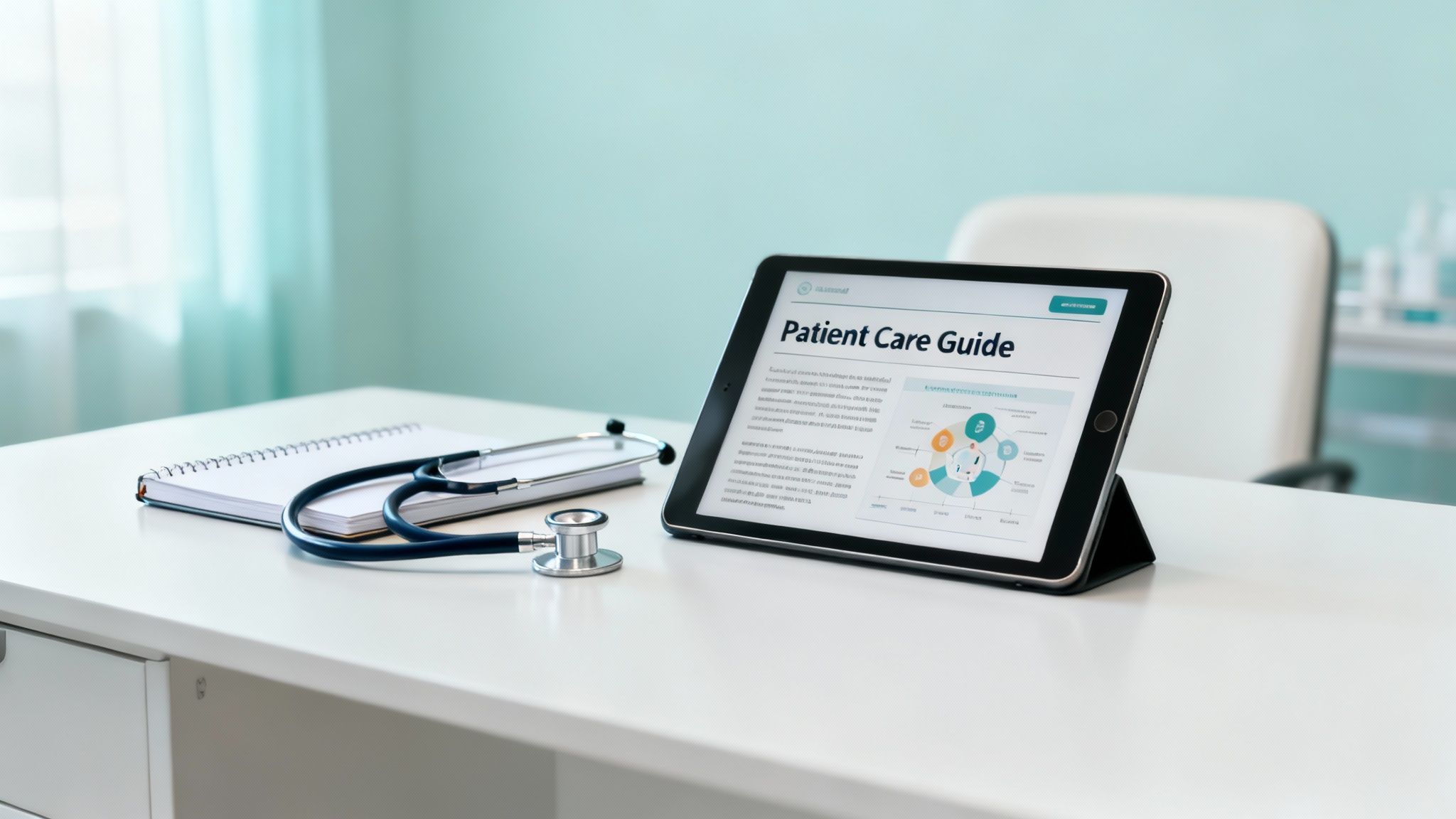
When patients search for symptoms or health conditions online, they are looking for reliable answers. By providing that information through blog posts, videos, or infographics, you meet them at a critical point in their journey. This not only improves your SEO visibility but also positions your practice as the go-to expert. For example, the Cleveland Clinic’s Health Library is a premier example, offering thousands of medically reviewed articles that attract millions of monthly visitors, many of whom later become patients.
How to Implement This Strategy
- Identify Patient Pain Points: Use tools like Google Trends, patient surveys, and front-desk staff feedback to identify the most common questions and concerns your patients have. Think like a patient!
- Create High-Quality Content: Develop comprehensive blog posts, “how-to” guides, and videos explaining conditions, treatments, and preventive care. Ensure every piece is reviewed by a medical professional for accuracy.
- Optimize for Search: Target long-tail keywords that patients are likely to use, such as “what are the early signs of arthritis in hands.” Optimize for voice search by phrasing headings as questions.
- Promote and Distribute: Share your content on social media, in email newsletters, and in your waiting room. This multi-channel approach maximizes reach and impact.
2. Social Media Marketing and Patient Engagement
Social media offers healthcare providers a powerful channel to connect with patients, build a community, and humanize their brand. This strategy moves beyond one-way advertising, focusing instead on two-way engagement through platforms like Facebook, Instagram, and LinkedIn. It’s about meeting patients where they are, sharing valuable health tips, and creating a supportive online environment that fosters trust and loyalty.
Effective social media marketing involves more than just posting updates; it’s about active listening and participation. By engaging with comments and messages, you show that you care about patient feedback and are accessible. For instance, the Mayo Clinic uses Instagram to share easy-to-understand health infographics and behind-the-scenes glimpses of their staff, making a large institution feel more personal and approachable. This approach not only boosts brand awareness but also positions the organization as a caring community partner.
How to Implement This Strategy
- Establish a HIPAA-Compliant Policy: Before you post, create a clear policy outlining how your team will handle patient interactions and protect private health information. This is a non-negotiable first step.
- Create Platform-Specific Content: Tailor your content for each platform. Use Instagram Reels for quick wellness tips, LinkedIn to highlight staff achievements and research, and Facebook for community-building and event promotion.
- Engage Actively and Promptly: Respond to comments and direct messages professionally and in a timely manner, ideally within 24 hours. For negative feedback, acknowledge the issue and offer to resolve it offline.
- Share Authentic Stories: Post patient testimonials and success stories (with explicit, written consent) to build social proof. Highlighting your dedicated staff also helps humanize your practice and builds connection.
3. Search Engine Optimization (SEO) and Local Search Marketing
For modern healthcare providers, visibility in search results isn’t just an advantage; it’s a necessity. Search Engine Optimization (SEO) is the process of improving your website’s visibility on search engines like Google. For healthcare, this is particularly crucial for local searches, like when a patient types “dentist near me” or “best cardiologist in Dallas.” A strong local SEO presence ensures you appear when potential patients are actively seeking care in your area.
Effective healthcare SEO connects your practice with patients at the exact moment they need you. When a hospital dominates the search results for “emergency room near me,” it directly translates to increased patient footfall. Similarly, a specialized clinic that ranks for condition-specific local searches establishes immediate authority and trust. This is one of the most direct-response marketing strategies for health care, as it captures high-intent prospects who are ready to book an appointment.
How to Implement This Strategy
- Claim and Optimize Your Google Business Profile: This is your digital storefront. Fill out every section completely, including services, hours, photos, and Q&As. Encourage patients to leave reviews, as they significantly influence local rankings.
- Build Local Citations and Backlinks: Ensure your practice’s Name, Address, and Phone number (NAP) are consistent across all online directories like Yelp, Vitals, and Healthgrades. Earn backlinks from reputable local news sites or health-related organizations.
- Create Location-Specific Pages: If you have multiple locations, create a dedicated page for each one. Optimize these pages with local keywords (e.g., “orthopedics in downtown Chicago”) and include unique content about the staff and services available there. For more tips, check out these ways to increase organic traffic on mick-mar.com.
- Use Healthcare Schema Markup: Implement structured data (schema) on your website to help search engines understand specific information like physician specialties, medical conditions treated, and accepted insurance plans. This can enhance your listings with rich snippets, making them more attractive to searchers.
4. Email Marketing and Patient Relationship Management (CRM)
Email marketing is a powerful, direct communication channel for nurturing patient relationships and driving engagement. When integrated with a Customer Relationship Management (CRM) system, it becomes one of the most effective marketing strategies for health care. This approach allows you to send personalized, timely, and relevant information directly to patients, from appointment reminders to preventative care tips and service updates.
This strategy excels at maintaining a connection with patients between visits, fostering loyalty and improving health outcomes. For instance, a hospital system can use automated drip campaigns to guide new mothers through postpartum care, while a dental clinic can send biannual reminders for check-ups. By segmenting audiences based on visit history or health conditions, providers like Teladoc can send targeted follow-up emails, ensuring communication is always valuable. This personalized approach builds trust and keeps your practice top-of-mind.
How to Implement This Strategy
- Ensure HIPAA Compliance: Select an email marketing platform and CRM, like Salesforce Health Cloud or a HIPAA-compliant HubSpot setup, that guarantees the security of protected health information (PHI).
- Segment Your Patient Lists: Group patients by criteria such as last visit date, specific health conditions, or demographic information to send highly targeted and relevant content.
- Personalize and Automate: Use automation to send appointment reminders 24-48 hours in advance, birthday wishes, or post-visit surveys. Personalize content with the patient’s name and relevant health information.
- Provide Consistent Value: Go beyond promotions by sharing educational newsletters, wellness tips, and updates about your practice. To further enhance engagement, understanding advanced communication tools is crucial. You can learn What Is Conversational AI and How It Works to see how modern tech can supplement your CRM efforts.
5. Pay-Per-Click (PPC) Advertising and Paid Search
Pay-per-click (PPC) advertising offers a direct way to connect with potential patients at the exact moment they are searching for healthcare services. This strategy involves bidding on specific keywords on platforms like Google Ads and Microsoft Advertising, so your ads appear at the top of search engine results pages (SERPs). Unlike organic SEO, which takes time, PPC delivers immediate visibility, driving highly motivated traffic to your website or landing pages.
When someone searches for “emergency dental care near me” or “best cardiologist in [City],” PPC allows your practice to be the first solution they see. This immediacy is critical in healthcare, where needs are often urgent. For example, a specialized orthopedic clinic can run a targeted campaign for “knee replacement surgery,” ensuring their ad is shown only to users actively researching that specific procedure. This precision makes PPC one of the most measurable and ROI-driven marketing strategies for health care available today.
How to Implement This Strategy
- Focus on High-Intent Keywords: Bid on service-specific and location-based keywords like “telehealth therapy session” or “pediatrician in [Your Neighborhood]” to attract users ready to book an appointment.
- Create Compliant Landing Pages: Design dedicated, HIPAA-compliant landing pages for each ad campaign. These pages should have a clear call-to-action (e.g., “Request an Appointment”) and provide relevant information without distractions.
- Utilize Geotargeting: Narrow your ad delivery to a specific radius around your clinic or hospital. This ensures your ad spend is focused exclusively on potential patients in your service area.
- Implement Conversion Tracking: Set up conversion tracking to monitor how many ad clicks result in appointments, phone calls, or form submissions. This data is essential for calculating your return on investment and optimizing campaigns.
6. Influencer and Healthcare Provider Partnerships
Leveraging trusted voices is a powerful way to build credibility in the healthcare sector. This strategy involves collaborating with medical influencers, respected healthcare providers, patient advocates, and wellness personalities to amplify your message and reach new audiences. By partnering with individuals who already have an established, engaged following, you can bypass the initial trust barrier that often complicates healthcare marketing.
This approach goes beyond traditional celebrity endorsements. It’s about authentic collaboration where the influencer’s expertise aligns with your organization’s values and services. Think of fitness influencers promoting preventive care services or patient advocates sharing their real treatment journeys with a specific clinic. These partnerships feel less like an advertisement and more like a trusted recommendation, which is one of the most effective marketing strategies for health care. This method humanizes your brand and provides social proof from a source patients already respect.
How to Implement This Strategy
- Identify Aligned Partners: Seek out influencers and providers whose expertise and values mirror your own. Look for individuals with high engagement rates and an audience that matches your target patient demographic.
- Co-create Authentic Content: Work collaboratively with partners to create educational content, such as Q&A videos, “day in the life” stories, or informational blog posts. Their input ensures the message resonates authentically with their audience.
- Ensure Compliance and Transparency: All sponsored content must include clear disclosures (e.g., #ad, #sponsored) to comply with FTC guidelines. Additionally, ensure all medical information shared is accurate and HIPAA-compliant.
- Start Small and Measure: Begin with micro-influencers (10k-100k followers) who often have more niche, highly engaged communities. Set clear KPIs to track performance, such as website traffic, appointment bookings, or social media engagement. For guidance on finding the right partners, you can find a good starting point in this list of top healthcare marketing agencies.
7. Patient Testimonials and Video Marketing
Patient testimonials are among the most powerful marketing strategies for health care because they build trust through authentic social proof. This approach leverages genuine patient stories, primarily through video, to showcase real-world results and create a strong emotional connection. Instead of just describing what you do, you show the life-changing impact of your care from a patient’s perspective.

Prospective patients often feel vulnerable and are looking for reassurance. Hearing from someone who has successfully gone through a similar experience can be incredibly persuasive. For example, the Cleveland Clinic’s powerful patient story videos or Boston Children’s Hospital’s profiles humanize complex medical procedures and build an immediate sense of hope and trust, turning abstract medical services into relatable human journeys. These testimonials effectively answer the prospect’s most important question: “Will this work for someone like me?”
How to Implement This Strategy
- Obtain Compliant Consent: Always secure written, HIPAA-compliant consent before recording or sharing any patient story. Clearly explain where and how the testimonial will be used.
- Focus on Authentic Storytelling: Guide patients to share their journey naturally rather than reading a script. Focus on the transformation—their challenges, their experience with your care, and the positive outcomes.
- Optimize Video for Multiple Platforms: Keep videos concise, ideally between 30 seconds and 3 minutes for social media. Add captions, as a significant portion of users watch videos without sound.
- Showcase a Diverse Range of Stories: Feature patients from different backgrounds with various conditions to ensure your testimonials resonate with a broad audience. This shows that your practice is inclusive and experienced.
8. Community Outreach and Event Marketing
Community outreach is a powerful, grassroots strategy that takes healthcare beyond the clinic walls and into the neighborhoods it serves. This approach focuses on building direct, personal connections by participating in or hosting local events, health fairs, sponsorships, and educational seminars. Instead of waiting for patients to find you, this strategy positions your organization as an active, caring, and accessible community partner, fostering goodwill from the ground up.
Engaging directly with potential patients in a non-clinical setting breaks down barriers and builds trust. For example, a hospital sponsoring a local 5K race or a clinic offering free blood pressure screenings at a community fair demonstrates a genuine investment in the public’s well-being. These interactions create memorable, positive brand associations that are far more impactful than a digital ad. It’s one of the most effective marketing strategies for health care organizations looking to establish deep community roots and become the go-to provider for local families.
How to Implement This Strategy
- Partner with Local Organizations: Collaborate with schools, non-profits, local businesses, and community centers to co-host events. This amplifies your reach and lends credibility to your efforts. Many of these principles apply across different care sectors; you can find more specialized event ideas for senior populations within our guide to senior living marketing strategies on mick-mar.com.
- Offer Tangible Value: Provide free health screenings (e.g., blood pressure, glucose), distribute educational materials, or host “Ask the Doctor” sessions. The goal is to offer immediate, tangible value to attendees.
- Capture Leads for Follow-Up: Use a simple sign-up sheet or a digital form to collect contact information from interested individuals for your newsletter or for a follow-up call, ensuring you get a return on your event investment.
- Document and Share: Capture photos and videos of your team engaging with the community and share them on your website and social media channels. This showcases your commitment and provides authentic content for future marketing.
9. Mobile Marketing and App-Based Engagement
In an era where smartphones are ubiquitous, mobile marketing is no longer optional; it’s a core component of modern marketing strategies for health care. This approach involves engaging patients directly on their mobile devices through dedicated apps, SMS messaging, and mobile-optimized websites. The goal is to provide unparalleled convenience, foster direct communication, and deliver personalized healthcare management tools right into the patient’s hands.
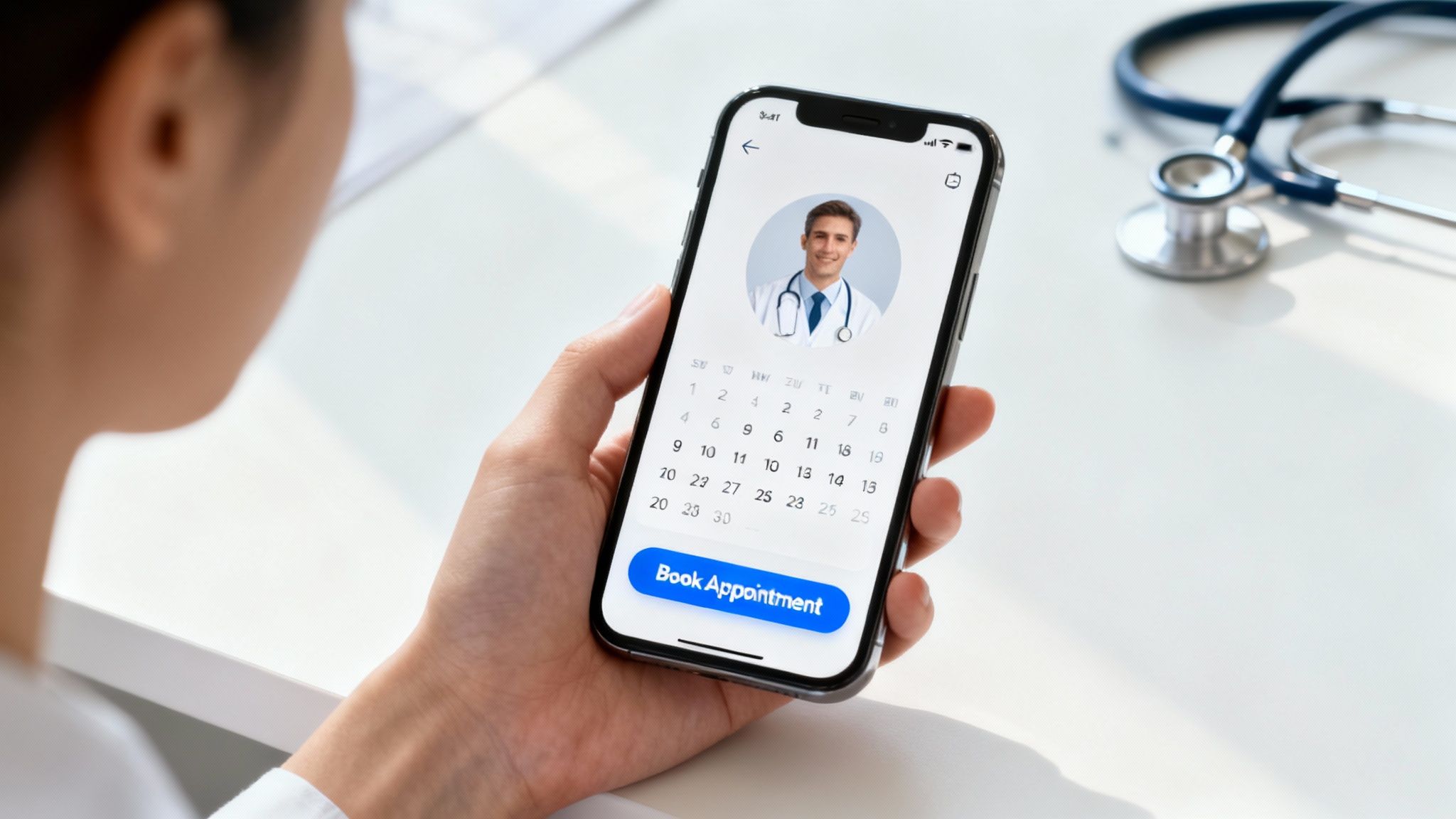
By offering features like appointment scheduling, prescription refills, access to medical records via a patient portal, and secure messaging with providers, you dramatically improve the patient experience. Apps like Epic’s MyChart and Teladoc have set the standard, proving that a well-designed mobile presence can increase patient engagement and loyalty. This direct channel also allows for timely communication through push notifications for appointment reminders or health alerts, reducing no-shows and improving care adherence.
How to Implement This Strategy
- Prioritize a Seamless User Experience: Design your app or mobile site with an intuitive, accessible interface. Focus on core functionalities like easy appointment booking, clear access to test results, and simple bill payment.
- Ensure HIPAA Compliance and Security: Build your mobile platform with robust, HIPAA-compliant security measures to protect sensitive patient data. Clearly communicate your privacy and security policies to build trust with users.
- Integrate with Existing Systems: To ensure operational efficiency, your mobile app should integrate smoothly with your existing Electronic Health Record (EHR) and patient management systems.
- Use Push Notifications Strategically: Send relevant and timely push notifications for appointment reminders, lab results, and medication alerts. Avoid overuse to prevent users from disabling them.
10. Referral and Loyalty Programs
Referral and loyalty programs are powerful marketing strategies for health care that leverage your most valuable asset: happy patients. This dual approach focuses on both acquisition and retention by incentivizing current patients to refer new ones and rewarding them for their continued loyalty. Instead of relying solely on external marketing, these programs turn patients into active advocates for your practice.
A referred patient often arrives with a higher level of trust and is more likely to become a long-term patient. This word-of-mouth marketing is incredibly effective because it comes from a trusted source. For example, a cosmetic dermatology practice might offer a credit toward a future service for both the referrer and the new patient they bring in. This not only drives new business but also encourages existing patients to return, strengthening their relationship with the practice.
How to Implement This Strategy
- Ensure Legal Compliance: Before launching, consult with legal counsel to ensure your program complies with federal and state regulations, including the Anti-Kickback Statute and Stark Law, which place restrictions on incentivizing referrals for federally funded healthcare programs.
- Design Meaningful Incentives: Offer rewards that are valuable to your patients but ethically appropriate. This could include a discount on future services, a gift card, or an entry into a larger drawing.
- Simplify the Process: Make it incredibly easy for patients to refer others. Use simple referral cards, a dedicated page on your website with a shareable link, or a feature within your patient portal.
- Communicate and Promote: Actively promote the program through email newsletters, social media posts, and in-office signage. Ensure your staff is trained to explain the benefits to patients during their visits.
10-Strategy Healthcare Marketing Comparison
| Strategy | 🔄 Implementation Complexity | ⚡ Resource Requirements & Speed | 📊 Expected Outcomes | 💡 Ideal Use Cases | ⭐ Key Advantages |
|---|---|---|---|---|---|
| Content Marketing and Patient Education | Moderate–High — ongoing content production & medical review | Moderate budget; high time investment; slow-to-medium ROI | Improved trust, organic traffic growth, informed patients | Chronic care education, SEO-driven acquisition, thought leadership | Builds credibility and long-term SEO value |
| Social Media Marketing and Patient Engagement | Moderate — platform strategies & community management | Low–Medium budget; requires constant staffing; fast engagement cycles | Increased brand awareness, real-time feedback, traffic spikes | Awareness campaigns, patient community building, crisis comms | Direct two-way communication; humanizes brand |
| SEO and Local Search Marketing | High — technical SEO, citations, schema, ongoing optimization | Moderate budget; technical expertise needed; results in 3–6 months | High-intent local traffic, sustainable organic visibility | Local practice acquisition, “near me” searches, multi-location sites | Cost-effective long-term visibility; captures search intent |
| Email Marketing and Patient Relationship Management (CRM) | Moderate — CRM integration, segmentation, compliance work | Low–Medium cost; needs clean data & automation; quick delivery | Improved retention, reduced no-shows, measurable ROI | Appointment reminders, nurture sequences, follow-up care | High ROI and personalized patient communication |
| Pay-Per-Click (PPC) Advertising and Paid Search | Moderate — campaign setup, bidding, landing page ops | High ongoing budget; requires optimization expertise; immediate results while funded | Immediate visibility and conversions; measurable CAC | Time-sensitive promotions, competitive keywords, testing new services | Fast, highly targeted acquisition; scalable control |
| Influencer and Healthcare Provider Partnerships | Moderate — vetting, contracts, content coordination | Variable cost (micro → affordable, mega → expensive); measurement less precise | Expanded reach, third‑party credibility, niche audience access | Awareness, patient advocacy, wellness campaigns | Authentic endorsements; access to engaged audiences |
| Patient Testimonials and Video Marketing | High — production, consent, HIPAA/compliance management | High production costs; time‑intensive; strong engagement potential | Higher conversions, emotional trust, shareable assets | Procedure explanations, high‑consideration services, trust-building | Powerful social proof; highly engaging content |
| Community Outreach and Event Marketing | Moderate — event planning, logistics, partnerships | Low–Medium cost; staff time intensive; limited geographic scale | Local awareness, qualified leads, strengthened community ties | Health fairs, screenings, school/workplace programs | Direct face‑to‑face engagement; builds local goodwill |
| Mobile Marketing and App-Based Engagement | High — app development, integration, security & compliance | High development & maintenance costs; ongoing updates; real‑time engagement | Better adherence, fewer no‑shows, improved satisfaction & data | Patient portals, telemedicine, appointment booking | Convenient real‑time communication; rich usage insights |
| Referral and Loyalty Programs | Low–Moderate — program design, tracking, compliance checks | Low–Medium cost; requires tracking systems & oversight; scalable | Lower acquisition cost, higher retention, quality referrals | Practices with repeat patients, elective services, memberships | Leverages satisfied patients; cost‑effective growth |
Your Next Step: Building a Healthier Marketing Future
Navigating the modern healthcare landscape requires more than just clinical excellence; it demands a marketing approach that is just as sophisticated, empathetic, and patient-centric. Throughout this guide, we’ve explored ten powerful marketing strategies for health care designed to build trust, foster engagement, and drive sustainable growth. From creating educational content that empowers patients to leveraging local SEO to ensure they can find you, the common thread is a commitment to providing value at every turn.
The journey to an effective marketing ecosystem doesn’t happen overnight. It’s not about implementing every strategy at once, but about making smart, informed choices. As we’ve seen, patients are more empowered than ever. A 2023 study from Press Ganey confirmed that 60% of patients now look up health information online before booking an appointment, underscoring the critical role of a strong, integrated digital presence. Success lies in selecting the right mix of tactics that align with your unique organizational goals and the specific needs of your patient community.
Charting Your Course: Actionable Takeaways
To move from insight to implementation, consider these essential next steps:
- Audit and Prioritize: Begin by evaluating your current marketing efforts. Where are your biggest gaps? Which of the strategies discussed—perhaps enhancing your patient testimonials or launching a targeted email campaign—presents the most significant opportunity for immediate impact? Choose one or two to focus on first.
- Measure and Adapt: Define what success looks like for each initiative. Whether it’s tracking website traffic from your SEO efforts, engagement rates on social media, or new patient appointments from a PPC campaign, data is your guide. Use these metrics to continuously refine your approach, doubling down on what works and adjusting what doesn’t.
- Embrace a Patient-First Mindset: The most effective marketing strategies for health care are built on a foundation of trust and empathy. Every piece of content, every social media post, and every email should be crafted with the patient’s perspective in mind. Ask yourself: Is this helpful? Is this clear? Does this build confidence in our care?
Ultimately, building a healthier marketing future is about creating authentic connections. By consistently delivering valuable information and demonstrating a genuine commitment to patient well-being, you can transform your marketing from a simple acquisition tool into a core component of the patient experience. This approach not only attracts new patients but also fosters lasting loyalty and strengthens your reputation as a trusted leader in the healthcare community.
Ready to implement these powerful marketing strategies for health care but need a dedicated partner to guide your efforts? The experts at Mick-Mar Inc. specialize in creating customized, data-driven marketing roadmaps specifically for the healthcare industry. Visit Mick-Mar Inc. to learn how we can help you accelerate growth and enhance your brand’s impact.