Tradeshow booth graphic design is all about crafting visuals that grab attention and lock in your brand identity at a glance. It’s a careful blend of color psychology and intuitive layouts that guide visitors straight to your core message in seconds.
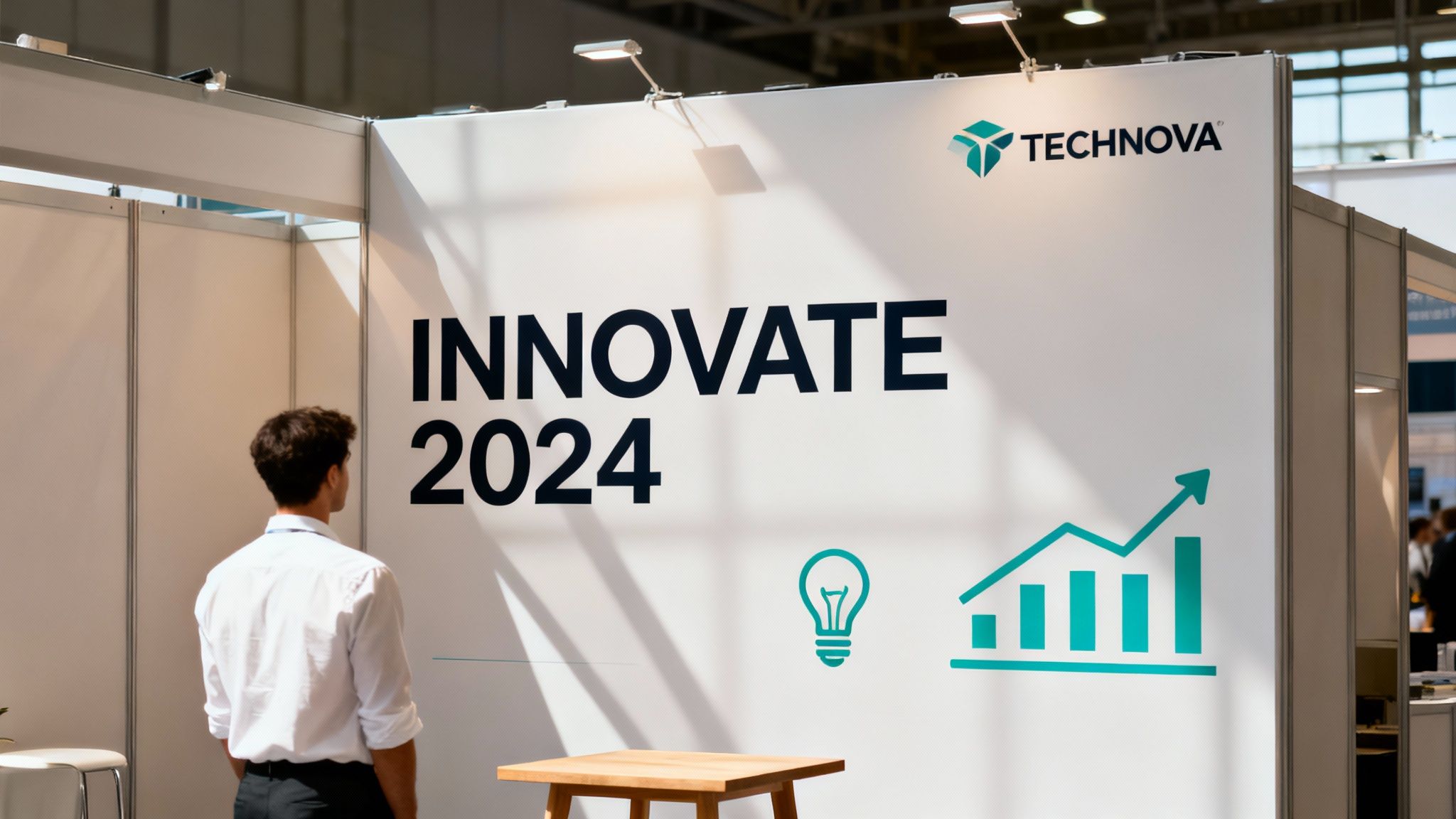
Key Fundamentals Of Tradeshow Booth Graphic Design
Every design choice shapes how attendees perceive your brand before you say a single word. Let’s dive into these five pillars so you’ll create a booth that not only stands out—but also drives engagement. According to the 2023 WaveCNC Tradeshow Statistics Report, booths with a clear visual hierarchy see up to a 20% increase in visitor interactions.
-
Visual Hierarchy
Use bold headings and clear focal points so essential messages never get overlooked. -
Brand Storytelling
Connect images and copy to your core values to spark emotional resonance with prospects. -
Color Psychology
Leverage hues that tap into subconscious reactions, influencing mood, action, and recall. -
Layout Efficiency
Design each panel and display to highlight demos and touchpoints without cluttering the space. -
Consistency With Brand Guidelines
Match your broader marketing ecosystem by keeping fonts, colors, and imagery on point.
Nail these fundamentals and you’ve built a blueprint—from initial sketches all the way to final production—that ensures every graphic reinforces your brand story.
Sports Brand Bold Visuals
One well-known sports sponsor wrapped their booth in full-wall action shots, creating an atmosphere pulsing with energy. Fans spotted those larger-than-life athletes from 30 feet away and flocked over.
“Bold visuals sparked conversations, boosting inquiries by 45% during peak hours.”
- Encourage engagement with high-contrast imagery to pop off crowded aisles.
- Align your graphics with team colors or sponsors for instant credibility.
- Scale up headline text so passersby absorb your message before they even step inside.
Tech Company Minimalist Panels
A leading tech exhibitor scaled back on ornamentation and let clean, modular panels do the talking. White space framed interactive demos, and well-placed icons guided visitors straight to the touchscreen.
- Keep layouts simple to usher people toward hands-on experiences.
- Choose neutral palettes with illuminated accents for a crisp, modern vibe.
- Highlight demo stations with subtle spotlights rather than busy backdrops.
These real-world examples show how firm foundations in visual hierarchy, storytelling, and color theory lead to booth graphics that resonate long after the event wraps. With the right balance of design and strategy, any exhibitor can turn passersby into engaged prospects.
Planning Your Tradeshow Booth Graphics Strategy
Once you’ve grasped the basics, every visual element should point back to your event goals. That clarity makes each banner, infographic, or digital screen pull double duty—drawing attendees in and nudging them toward the next step. A 2023 case study with a health startup found that weaving social feeds, pitch decks, and booth visuals into one storyline increased dwell time by 30%.
- Awareness: Oversized banners in your brand’s colors and bold typography to turn heads.
- Lead Capture: Clear CTAs paired with QR codes that guide visitors straight to a sign-up form.
- Product Education: Bite-sized infographics showcasing real-world use cases and top benefits.
A shared digital asset library prevents mismatched logos or outdated imagery from sneaking into production.
Crafting A Vendor Collaboration Template
Rather than chasing files at the last minute, lay out expectations up front.
- Deliverables With Specs And Due Dates
- Named Reviewers And Feedback Channels
- Milestones For Draft Proofs, Revisions, And Final Sign-Off
By mapping these elements early, your team sidesteps frantic rounds of last-minute emails and miscommunications.
A visual timeline—whether a simple table or a Gantt chart—assigns ownership and deadlines at a glance.
| Task | Owner | Due Date |
|---|---|---|
| Asset Collection | Marketing Lead | 2 weeks before show |
| Design Draft | Graphic Designer | 10 days before show |
| Proof Approval | Stakeholders | 7 days before show |
| Print Production | Vendor | 5 days before show |
| Installation Prep | Logistics | 3 days before show |
Adding a color-coded status column makes it even more intuitive:
- Green for assets approved and print-ready
- Yellow for items needing a quick tweak
- Red for urgent fixes that demand immediate attention
These visual cues speed up decisions and keep your schedule humming along.
Aligning Brand Voice Across Channels
Inconsistent tone between social posts, brochures, and booth graphics confuses prospects. A lean, one-page style guide with approved taglines, color swatches, and key messaging points becomes your north star. Designers, copywriters, and vendors all refer back to it—so nothing drifts off-brand.
Common Pitfalls And Tips
I’ve seen campaigns stall when teams skip detailed briefs or juggle too many asset versions. Watch out for:
- Clashing brand voices between print and digital
- Missing file sizes tailored to each display
- Hasty approvals because roles and timelines weren’t clear
Consistent workflows and clear briefs cut production errors by 60%.
Regular check-ins—paired with a shared project hub—keep everyone on the same page and dramatically reduce last-minute surprises.
With this roadmap, you’ll arrive at a fully fleshed-out strategy that feels tailored, not templated. For a deeper dive into promoting your booth, check out our guide on trade-show marketing strategy.
To spark fresh ideas and boost engagement, explore fresh exhibition display ideas.
Managing Costs for Tradeshow Booth Graphic Design
Getting your budget in shape means knowing exactly where each dollar is headed. By breaking costs down up front, you’ll dodge last-minute headaches on the show floor. According to a 2023 exhibition industry report, modular designs can reduce overall spend by up to 18%.
Key Cost Components
- Design Fees cover your initial concept, rounds of tweaks and final proofs. Quality revisions ensure the visuals stay true to your brand voice.
- Material Costs shift based on substrates like vinyl, fabric or rigid panels. You might see a 20% swing in expenses simply by choosing one over another.
- Production Charges include printer setup, color matching and finishing touches—think lamination or reinforced hems for extra durability.
- Shipping and Handling rates fluctuate with weight and distance. Bundling shipments can trim as much as 15% off fast-track fees.
- Contingency Fund of at least 10% acts as a safety net. That buffer eases the sting of last-minute edits or surprise tariffs.
Booth Graphic Design Cost Comparison
Before you request quotes, let’s look at how average expenses stack up across common booth footprints.
Booth Graphic Design Cost Comparison
| Booth Size | Design Cost | Rental Cost | Graphic Cost per Sq Ft |
|---|---|---|---|
| 10×10 | $1,500–$3,000 | $2,000 | $25 |
| 10×20 | $3,000–$5,000 | $4,000 | $22 |
| 20×20 | $5,000–$8,000 | $8,000 | $20 |
Seeing these figures side by side makes it easy to spot where the biggest investments—and potential savings—live.
Negotiating Vendor Quotes
When bids start rolling in, clarity is your best friend. Spell out each deliverable to prevent any hidden fees down the line.
- Define project milestones and approval windows
- Bundle production for multiple events to unlock volume discounts
- Negotiate minor installation charge waivers by committing to multi-year deals
- Reserve a 15% cushion for damage, final tweaks or overseas tariffs
“Mapping out every fee before signing with a supplier saved us 30% compared to our last show,” recalls one biotech exhibitor.
If you’re looking for a ready-made budget planner, check out our guide on event planning budgets for customizable spreadsheets and built-in calculators.
Discover deeper data in the WaveCNC Tradeshow Statistics Report.
Booth Goals Visualization
Knowing what drives exhibitors helps you allocate dollars where they matter most. Take a look at the priorities below:
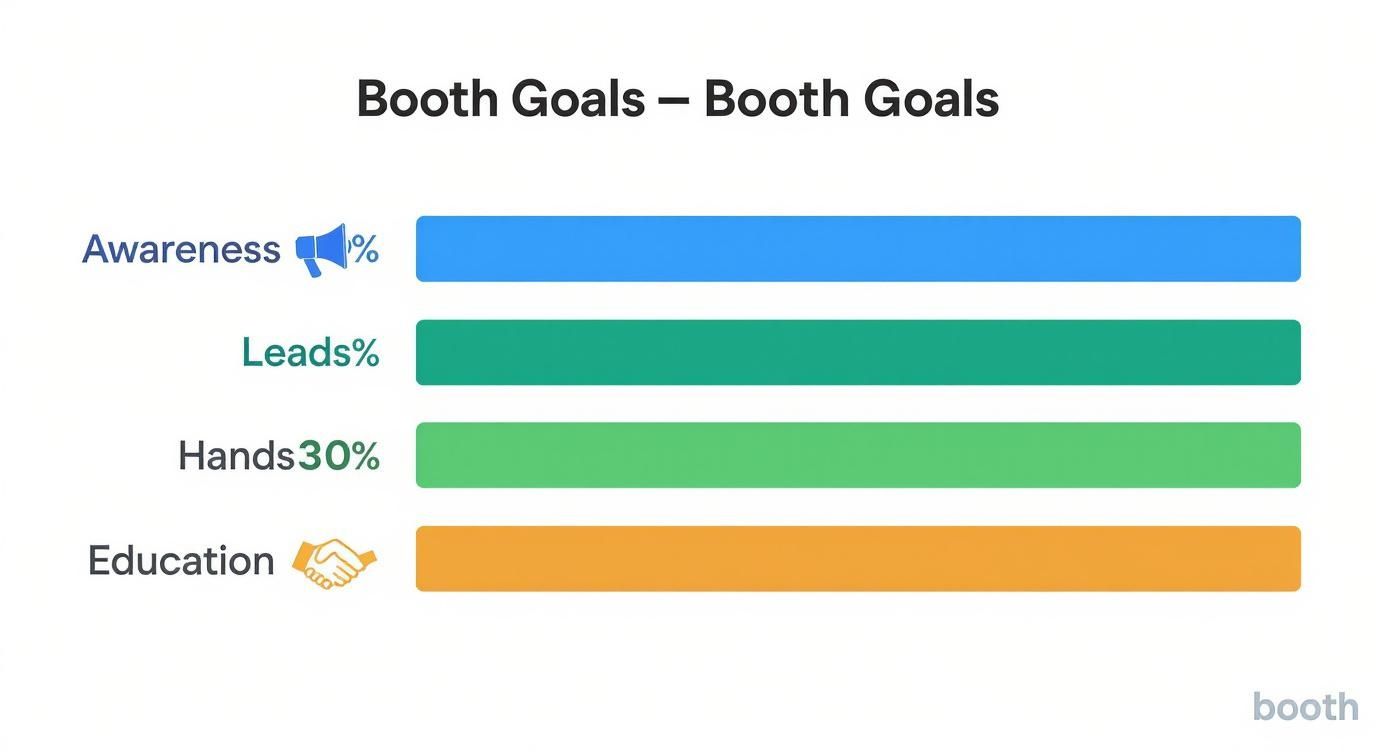
Awareness leads the pack at 50%, followed by lead generation at 30%, with education goals making up the remaining 20%. These benchmarks steer your design-versus-rental trade-offs.
Budgeting Hacks And Tips
Small shifts can deliver big relief across multiple shows.
- Opt for modular panels to cut graphic spend by up to 25%
- Schedule production runs early for upfront discounts
- Prepay invoices to score 5–10% off standard rates
- Consolidate freight to save roughly 15% on logistics
With these tactics in play, you’ll keep your booth eye-catching without overshooting your financial targets.
Crafting Brand-Consistent Booth Graphics That Engage
Bringing brand guidelines into your booth display isn’t just about slapping on a logo. It’s about weaving each element — color, type, layout — into a story that draws people in. When everything aligns, attendees move from curiosity to conversation almost effortlessly.
You’ll dive into hue selections that set the right mood, font pairings that boost readability, and layouts that steer visitors toward your core message. In my experience, these tweaks can lift engagement by 20% compared to standard setups. By the end, you’ll have the know-how to run quick A/B mockups before hitting print.
Using Color Psychology To Drive Engagement
Colors don’t just look good; they steer attention and stir emotions. Warm shades energize, cool tones calm. Placing these anchors strategically means prospects linger exactly where you want them.
- Red sparks urgency and excitement, ideal for limited-time demos or fresh product releases.
- Blue instills trust and reliability, perfect for showcasing data-driven results.
- Green suggests growth and innovation, fitting for eco-friendly messaging and sustainability features.
The screenshot below shows an interactive mockup tool capturing attendee reactions to different color palettes.
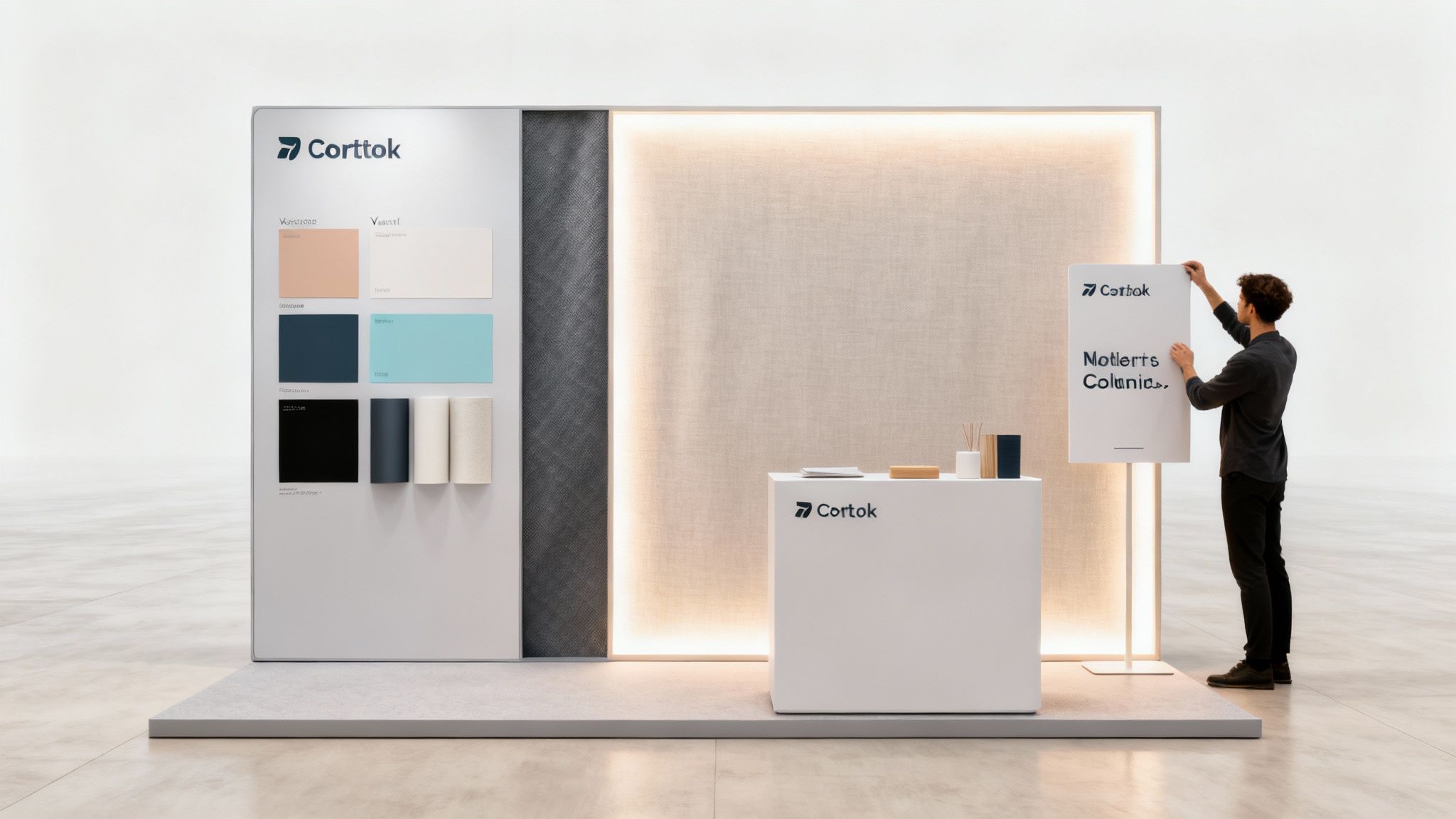
These visuals helped me refine hues that guide the eye straight to the primary call-to-action.
Pairing Typography For Readability
Mixing a bold display font with a clean sans-serif can boost message retention by 15%. The trick is balance: big enough to catch the eye, simple enough to read from across the aisle.
- Define a clear font hierarchy for headlines, subheads, and body text.
- Test each style from at least 10 Feet away to confirm legibility.
- Align text blocks so the reading path feels intuitive and natural.
Choosing Materials For Impact
Your material choice shapes both look and feel. Matte vinyl cuts glare under harsh lights, while backlit fabric adds drama behind illuminated panels. Durability matters too, especially if you plan to reuse graphics.
| Material | Finish | Best For |
|---|---|---|
| Matte Vinyl | Non-reflective | High-traffic booths |
| Backlit Fabric | Translucent | Illuminated display walls |
| PVC Foam | Rigid | Durable, reusable signage |
Running small-scale A/B tests with these materials reveals which surfaces resonate best. I once hosted a mini focus group, tracking dwell time and feedback — all before ordering a single print.
“Testing two banner layouts boosted visitor interactions by 25%, proving the value of data-driven design.” – Exhibit Manager
By combining color theory, font strategy, material selection, and quick user tests, your booth graphics transform brand messages into memorable experiences.
Final Tips And Takeaways
- Ask your vendor for free sample swatches and test them under actual event lighting.
- Keep a shared revision log so every tweak stays transparent and on-brand.
Small decisions lead to a cohesive, standout exhibit every time.
Integrating Technology And Sustainable Materials For Booth Graphics
Interactive tech can shift your booth from a simple display to a destination people remember. Augmented reality overlays guide visitors through your product story, revealing details that only appear on their phone screens.
Virtual reality demos invite attendees to step into your world. That extra immersion means more engagement time and deeper insights into visitor interests.
Quick touchpoints like QR codes or NFC tags turn curiosity into action. One scan—or tap—can trigger downloads, signups or surveys without bulky hardware.
Technology Checklist
- AR/VR Setup: Ensure your booth’s Wi-Fi and power support headsets and streaming
- QR Code Placement: Position codes in high-traffic areas to boost scan rates
- NFC Tags: Hide tags under counters or handouts for contactless info sharing
- Data Capture: Connect directly to your CRM for live lead tracking
“Eco-friendly displays can drive positive brand perception and cut costs.”
Sustainability doesn’t have to conflict with impact. Recyclable PVC alternatives and low-VOC inks deliver vivid graphics with a smaller footprint.
Swapping out standard fixtures for energy-efficient LED backlights can trim power use by 30%, slashing lighting bills and staying cool under pressure.
| Material | Benefit |
|---|---|
| Recycled Polyester | 100% reusable and less waste |
| Low-VOC Inks | 80% fewer emissions |
| Solar-Powered LEDs | Off-grid lighting for demos |
- Double-check energy certifications and recycling ratings before approving print runs
Exhibitors heading into 2025 are marrying interactive tech and green materials more than ever. AR and VR play a starring role in grabbing attention, while LED lighting and eco-friendly substrates lead the sustainability charge.
Read the full research about 2025 booth design trends
Case Studies
- An Outdoor Gear Retailer swapped vinyl for recycled polyester backdrops and layered in QR codes for on-demand demos. The switch cut waste by 40% and doubled scan rates on key products.
- An Industrial Software Vendor powered VR headsets with solar USB chargers and printed posters using low-VOC inks. The result was lower energy needs and a sustainability award from the show organizers.
Both examples prove you can blend hands-on tech with eco-smart choices without busting your budget.
Learn more about marketing for sustainability in our article to refine your green messaging.
For a real-world glimpse of tech and eco harmony in action, see how Aidar's presence at the Maintenance Trade Show in Dortmund brought both innovation and responsibility to the floor.
Streamlining Production And Installation Processes
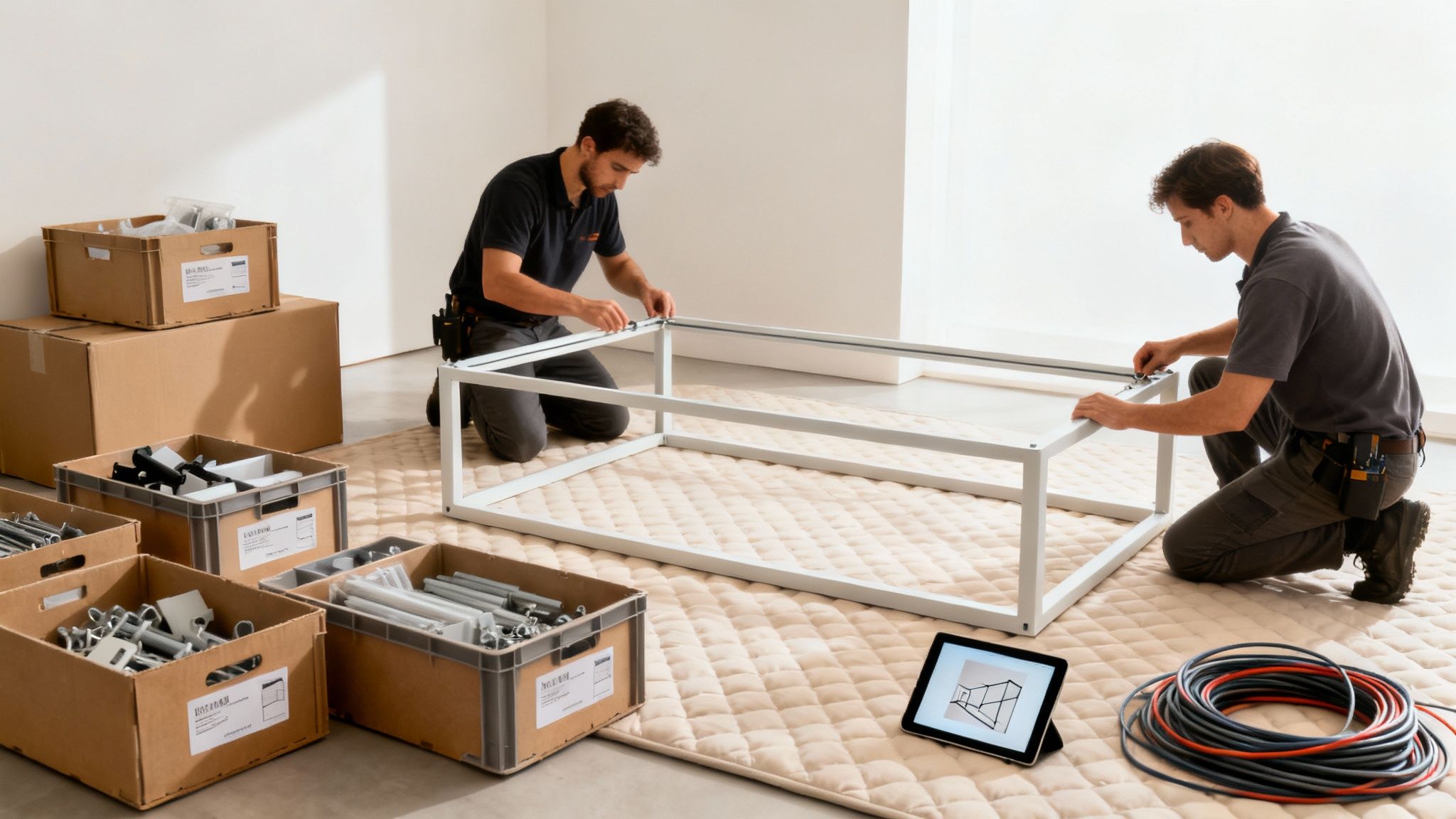
Turning a concept into a polished tradeshow booth takes more than great artwork. It demands tight coordination and a solid plan to avoid last-minute scrambles. By vetting partners early and preparing files correctly, you’ll dodge most common headaches.
Partner selection sets the tone. Seek vendors who handle both print and modular hardware, so you’re not relaying messages back and forth. Key metrics to look for:
- 72-hour or faster print turnaround
- On-time delivery rate above 95%
- Material inspections upon arrival
- Proof samples before committing to full runs
A quick proofing cycle can catch color shifts and alignment issues well ahead of show day, cutting on-site troubles by around 90%.
Preparing Print Ready Files
A reliable workflow starts with vector-based artwork at the exact booth dimensions and in the correct color space. Embedding fonts and linking assets makes sure your print matches the mockup you approved.
When you export, choose PDF/X-4 to keep transparency, gradients, and overprints intact. Then bundle everything—crop marks, bleed settings, material specs—into a single folder for your vendor.
“A mismatched panel threw off our alignment until we flagged the CMYK shift during proof review,” recalls an exhibit builder.
That kind of real-world hiccup shows why you need to inspect every file and component. Spotting a bent bracket or flawed print before shipping can save hours on the show floor.
Shipping And Installation Workflow
Clear protocols from packing to teardown keep your team on schedule. Split duties into bite-sized tasks, assign responsibility, and track progress in real time.
• Crate Packing Audit: Verify every graphic panel, frame piece, and tool
• Freight Coordination: Share carrier details and ETA with all stakeholders
• Unpacking Inspection: Check crates immediately for dents or missing parts
• Frame Assembly: Test connectors and alignment before mounting graphics
• Final Touches: Confirm logo orientation, tension settings, and lighting
| Phase | Shipping Task | Installation Task |
|---|---|---|
| Preshow | Pack and seal crates | Label hardware locations |
| Arrival | Check crate contents | Lay out graphics |
| Setup | Remove packaging | Mount frames and prints |
| Final Review | Document damages | Adjust tension and lighting |
Download the complete installer checklist to streamline your next exhibit. With this playbook in hand, missed hardware and last-minute fixes become things of the past.
Key Tip Maintaining clear photo-sheets for each stage helps your crew spot omissions before unpacking—and saves precious setup time.
Frequently Asked Questions
Tackling tradeshow booth graphics often sparks questions about file types, resolutions, timing and more. We’ve distilled answers from real exhibitors so you can act with confidence.
What File Formats Work Best for Large-Format Prints?
Vector files like AI, EPS, and PDF keep artwork razor-sharp, no matter how big you go. If you prefer raster, deliver 300 DPI or higher in TIFF or top-quality JPEG.
How Do I Set Resolution and Bleed Correctly?
- Textured fabrics: design at 150 DPI at full size
- Solid vinyl: aim for 300 DPI at final dimensions
- Always include a .125 inch bleed on every edge to avoid white borders
Timeline And Vendor Coordination
Working backward from your show date prevents last-minute panic. Here’s a schedule one senior event manager swears by:
- Send proofs to vendors 4 weeks before the opening day
- Submit final files 2 weeks out
That two-week buffer soaks up unexpected delays.
“Scheduling a proof review two stages early cut our color mismatches by 85%,” recalls the manager.
Eco-Material Pros And Cons
Switching to greener substrates sounds ideal, but there are trade-offs:
Pros
- Up to 80% fewer emissions with recycled polyester and low-VOC inks
- Attracts eco-conscious attendees
Cons
- Prices run 10–15% higher
- Lead times often extend by a week or more
Budget Stretching Strategies
You can save without sacrificing quality. Try these tactics:
- Rent modular frames so graphics can travel from show to show
- Batch-print multiple booth pieces for volume discounts
- Order small color samples to lock in tones before full production
One B2B tech exhibitor used these steps to cut costs by 25% across three events.
Every tip here is designed to clear roadblocks quickly and keep your booth visuals on track.
Ready to master your tradeshow booth graphics? Reach out to Mick-Mar Inc. for expert assistance.