In today's hyper-connected world, a sold-out event isn't just about the venue or the speakers; it's about the online conversation that surrounds it. Effective event marketing social media isn't just a promotional tool. It's the engine that builds communities, creates unforgettable experiences, and drives real results. From the first announcement to the final post-event recap, social platforms offer a powerful suite of strategies to engage attendees, amplify your message, and create the kind of authentic buzz that sells tickets and builds brand loyalty.
Whether you're planning a large-scale B2B conference for a cybersecurity firm or an intimate industry gathering for an energy company, the right digital approach is critical. For instance, a 2023 report by Skift Meetings revealed that 73% of event planners view social media as their most effective marketing tool. To truly transform your event from a simple gathering into a must-attend experience, check out this ultimate guide to experiential marketing, which emphasizes creating immersive and shareable brand moments.
In this guide, we'll break down eight specific, actionable strategies that go beyond generic advice. We’ll offer fresh perspectives and practical steps to ensure your event marketing on social media doesn't just make noise, but makes a tangible impact. Let's explore the tactics that will transform your attendees into advocates and turn your event into a trending topic.
1. User-Generated Content (UGC) Campaigns
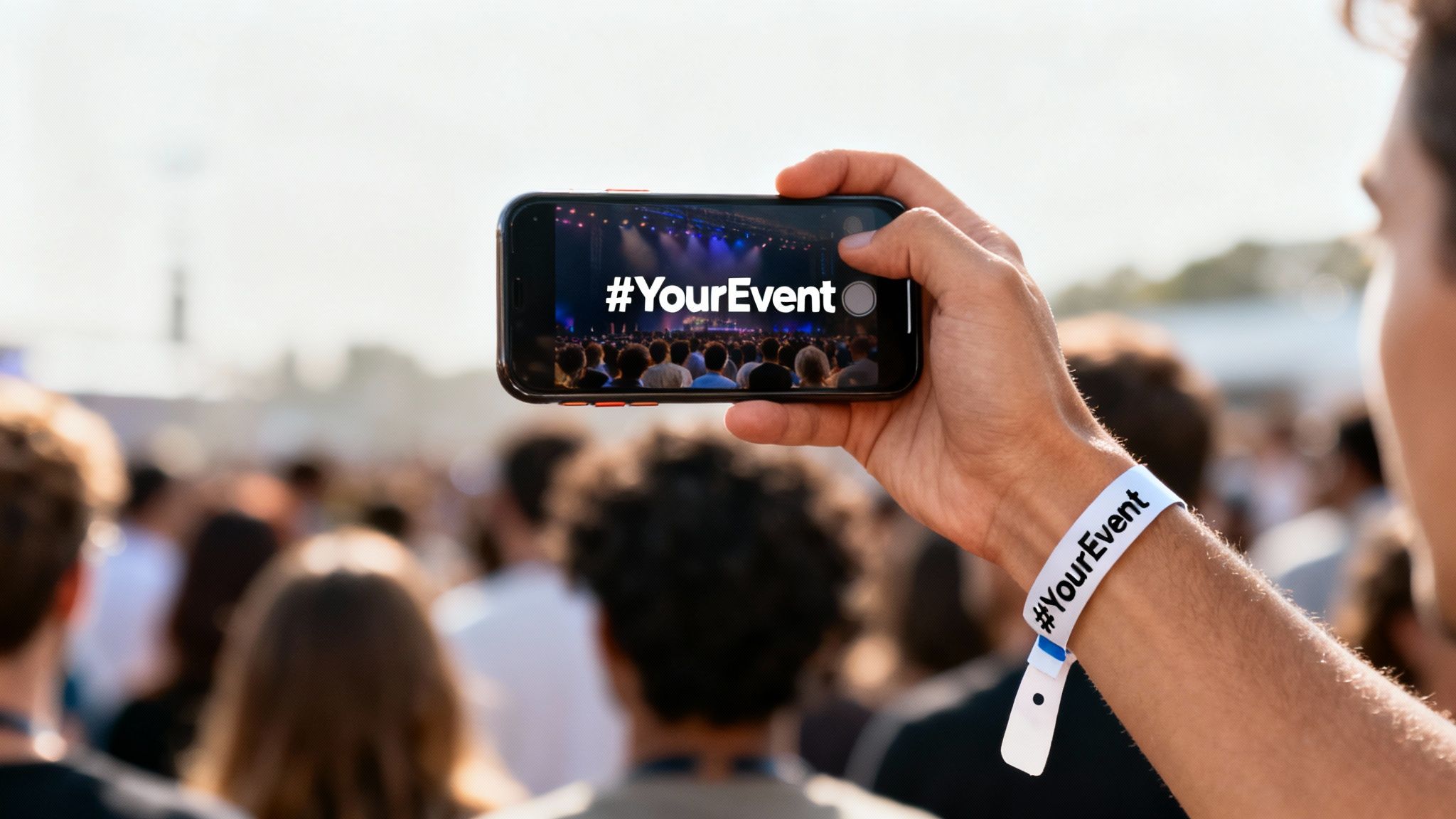
User-Generated Content (UGC) campaigns are a powerhouse strategy in modern event marketing social media, turning attendees from passive observers into active brand advocates. The core concept is wonderfully simple: you encourage your audience to create and share their own content related to your event, typically using a unique, branded hashtag. This approach harnesses the authentic voice of your community to build social proof and amplify your reach organically.
Instead of relying solely on polished brand messaging, UGC showcases real experiences from real people, which builds a powerful layer of trust and FOMO (fear of missing out). A 2023 Sprout Social report highlights that consumers are 2.4 times more likely to say UGC is more authentic compared to brand-created content, making it an essential tool for building credibility.
Why It Works So Well
UGC campaigns are so effective because they tap into a fundamental human desire to share experiences. When an attendee posts a photo from your conference or a video from your brand activation, they aren't just sharing a moment; they are endorsing your event to their personal network. This peer-to-peer marketing is invaluable, creating a ripple effect that extends far beyond your own follower count. Music festivals like Coachella have mastered this, with their iconic hashtag generating millions of posts each year, effectively turning attendees into a massive, volunteer marketing team.
How to Implement a UGC Strategy
To launch a successful UGC campaign for your next event, follow these actionable steps:
- Create a Unique and Memorable Hashtag: Develop a hashtag that is short, easy to spell, and directly tied to your event (e.g., #SaaStrAnnual2024 instead of a generic #SaaSConference). Promote it everywhere: on tickets, signage, social media bios, and presenter slides.
- Incentivize Participation: Encourage sharing by offering rewards. Run a contest for the "best photo" or "most creative post" featuring the event hashtag, with prizes like tickets to next year's event, brand merchandise, or a featured spot on your official social media channels.
- Engage in Real-Time: Your social media team's job doesn't stop at posting. They must actively monitor the event hashtag, liking, commenting on, and re-sharing attendee content. This real-time engagement makes participants feel seen and valued, encouraging them and others to post more.
- Feature the Best Content: Create a "social wall" at your event displaying a live feed of hashtagged posts. After the event, compile the best UGC into a highlight reel, photo album, or blog post to celebrate your community and provide valuable post-event content.
2. Live Social Media Coverage & Real-Time Engagement
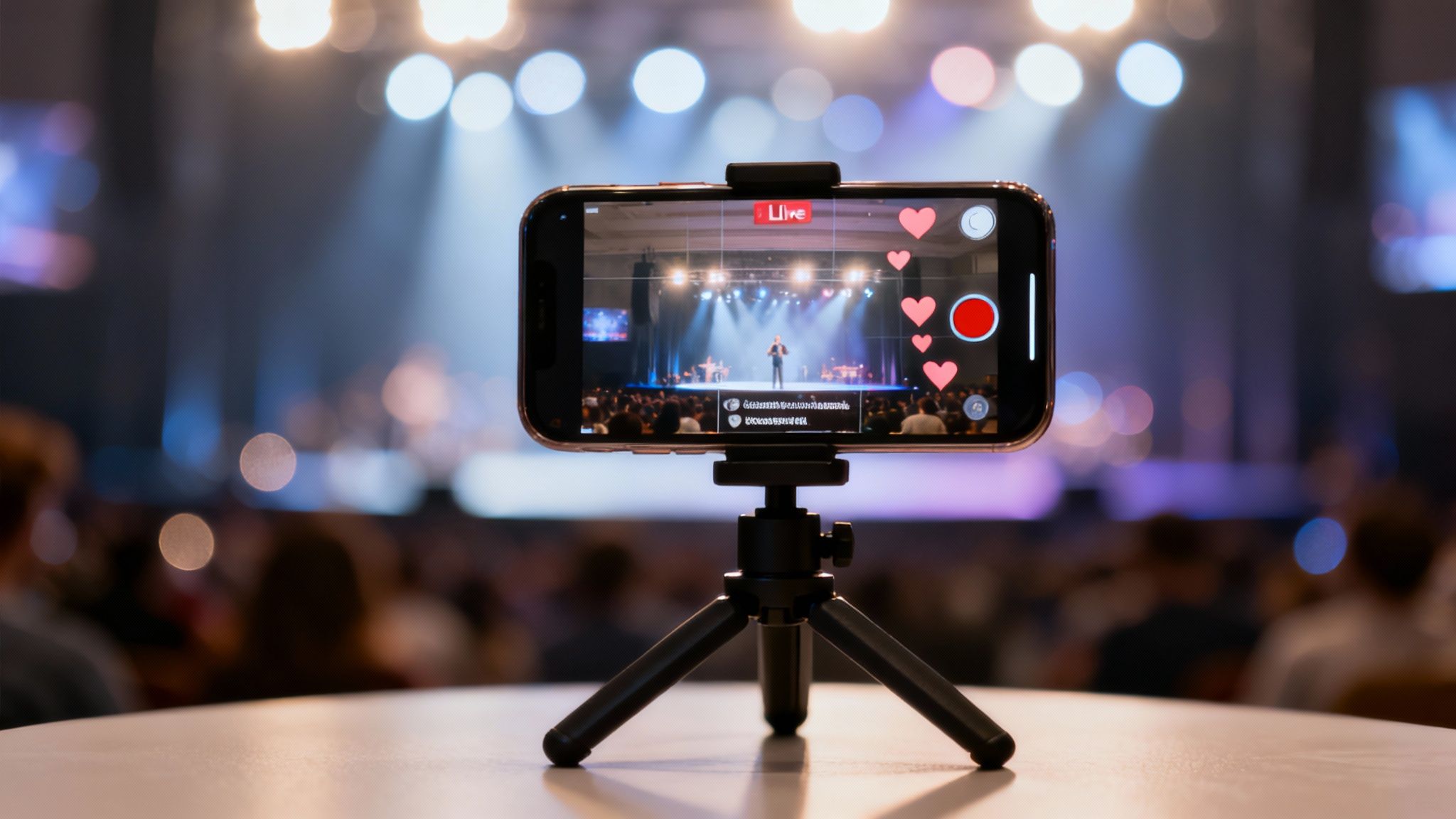
Live social media coverage is a dynamic event marketing social media strategy that bridges the gap between your physical event and your global online audience. It involves broadcasting moments in real-time through platforms like Instagram Stories, TikTok Live, YouTube, and X (formerly Twitter) to create an immediate, shared experience. This friendly approach not only serves those who couldn't attend but also generates powerful FOMO, encouraging future participation.
By taking your event live, you extend its reach far beyond the venue walls, turning a local gathering into a worldwide conversation. This real-time engagement transforms passive online followers into active participants, allowing them to feel the energy and excitement as it happens. For B2B events like trade shows, this tactic can significantly amplify booth traffic and lead generation efforts. To dive deeper into optimizing your presence at such events, you can explore this guide on trade show marketing strategy on mick-mar.com.
Why It Works So Well
Real-time coverage capitalizes on immediacy and exclusivity. Live streams create a sense of urgency, compelling followers to tune in or risk missing out on key announcements, insightful speaker sessions, or behind-the-scenes glimpses. This unfiltered format feels authentic and transparent, fostering a stronger connection with your audience. Industry titans like Apple have perfected this, using live-streamed product launches to command global attention and dominate social media conversations for days. Similarly, the Grammy Awards' live commentary and backstage content create a multi-layered viewing experience that keeps millions engaged.
How to Implement a Live Coverage Strategy
To execute a flawless live social media plan for your event, follow these essential steps:
- Prepare and Test Your Tech: Don't leave your stream to chance. Test all your equipment, software, and internet connections 24-48 hours before going live. Have backup solutions ready for both internet and streaming hardware to prevent any technical mishaps.
- Assign a Dedicated Live Team: Designate specific team members to manage the stream, monitor comments, and engage with the audience. This ensures the broadcaster can focus on the content while another person facilitates real-time interaction like answering questions and running polls.
- Promote Your Live Stream in Advance: Build anticipation by scheduling and promoting your live sessions ahead of time. Use countdown timers on Instagram Stories and send out email reminders to ensure your audience knows when and where to tune in.
- Engage Actively with Viewers: Make your online audience feel like they are part of the event. Use interactive features like polls, Q&A sessions, and give shoutouts to viewers who are actively commenting. This two-way communication is key to holding their attention.
3. Influencer & Ambassador Partnerships
Collaborating with influencers and brand ambassadors is a high-impact event marketing social media tactic that leverages trusted voices to expand your reach. This friendly strategy involves partnering with individuals who have established credibility and an engaged following within your niche, allowing you to tap into pre-built communities and generate authentic buzz for your event.
Instead of just broadcasting your message, you’re co-creating it with respected figures who can vouch for your event's value. This approach builds instant social proof and can dramatically increase ticket sales and brand awareness. From tech conferences like TechCrunch Disrupt partnering with startup ecosystem leaders to festivals like Coachella collaborating with fashion icons, this method turns an influencer’s audience into your potential attendees.
Why It Works So Well
Influencer partnerships work because they are built on a foundation of trust. An influencer’s recommendation feels more like a genuine suggestion from a friend than a corporate advertisement. This peer-to-peer endorsement bypasses the skepticism often directed at brand-led marketing. When an influencer shares their genuine excitement about attending your event, it creates powerful FOMO and drives their followers to consider it for themselves. The key is authenticity; the partnership must feel natural and aligned with both the influencer's brand and the event's core values.
How to Implement an Influencer Strategy
To effectively leverage influencers for your event, focus on building strategic, mutually beneficial relationships:
- Align with the Right Partners: Look beyond follower counts. Choose influencers, both macro and micro, whose audience demographics and values perfectly match your target attendee profile. A micro-influencer with a highly engaged niche following can often deliver a better ROI than a mega-influencer with a broad, disengaged audience.
- Provide Exclusive Experiences: Give your partners something unique to share. Offer them behind-the-scenes access, interviews with keynote speakers, or exclusive pre-event parties. This empowers them to create compelling, one-of-a-kind content that stands out.
- Empower, Don't Dictate: Provide clear guidelines and key messaging, but avoid overly restrictive scripts. The best content comes from letting influencers share their authentic experience in their own voice. This freedom is what makes their promotion feel genuine to their followers.
- Track and Measure Performance: Use unique affiliate links or promo codes for each influencer to track ticket sales and conversions. For practical implementation of influencer outreach during an event, explore strategies for tagging influencers on social media to amplify your event's reach and measure engagement effectively.
4. Interactive Social Contests & Giveaways
Interactive social contests and giveaways are a fun and high-impact strategy in event marketing social media, designed to rapidly boost engagement and build pre-event excitement. This approach involves offering a prize in exchange for specific audience actions, such as following your account, tagging friends, sharing a post, or using your event hashtag. The result is a surge in visibility, follower growth, and valuable audience data capture, all while creating a fun, participatory experience.
Instead of just broadcasting event information, contests gamify the marketing process, turning passive scrollers into active participants. This tactic leverages the audience's desire to win, creating a viral loop where each entry amplifies your event's reach across social networks. It’s a powerful method for building a community around your event long before the doors open.
Why It Works So Well
Contests and giveaways are effective because they offer a clear value exchange: participants give you their attention and engagement for a chance to win something desirable. This creates a sense of urgency and FOMO, encouraging immediate action. Brands like Red Bull have perfected this by offering exclusive "money-can't-buy" experiences tied to their events, generating massive organic buzz. Similarly, major music festivals frequently give away VIP ticket packages, incentivizing thousands of fans to share event posters and tag their friends, effectively crowdsourcing their promotion.
How to Implement a Contest Strategy
To run a successful social media contest for your event, follow these key steps:
- Define Clear Rules and Simple Entry: Make the rules easy to understand and the entry process straightforward (e.g., "Follow us, like this post, and tag two friends"). Ensure you comply with each social media platform's specific contest guidelines to avoid any issues.
- Offer a Relevant and Desirable Prize: The prize should be directly related to your event, such as free tickets, a VIP upgrade, exclusive merchandise, or a meet-and-greet with a speaker or performer. The higher the perceived value, the greater the participation.
- Promote Extensively and Build Urgency: Announce the giveaway across all your channels and use countdown posts ("Only 3 days left to enter!") to create urgency. Managing this promotion is simpler with the right tools; you can explore various marketing campaign management tools to streamline scheduling and tracking.
- Engage and Follow Up: Announce the winner publicly to build trust and show appreciation for all participants. Consider sending a follow-up email or direct message to non-winners with a small consolation prize, like an early-bird discount code, to nurture them as warm leads.
5. Branded Event Hashtag Strategy & Monitoring
A branded event hashtag is the digital anchor of your event marketing social media strategy, creating a centralized hub for all online conversations. This goes beyond just creating a catchy tag; it involves a comprehensive approach to developing, promoting, and monitoring a hashtag to build community, track engagement, and measure sentiment. A well-executed hashtag turns disparate posts into an organized, searchable, and cohesive event narrative.
This strategy transforms social media from a simple broadcast tool into a dynamic two-way communication channel. By giving attendees, speakers, and sponsors a common identifier like #SXSW or #TechCrunchDisrupt, you empower them to connect, share insights, and contribute to the event's overall buzz. This organized conversation is invaluable for tracking real-time feedback and amplifying your message far beyond your immediate audience.
Why It Works So Well
A branded hashtag works because it simplifies discovery and participation. It allows anyone, anywhere, to tap into the event's pulse, see highlights, and experience the energy vicariously. For organizers, it's a powerful data-gathering tool. Monitoring the hashtag provides direct insights into what attendees love, what issues are arising, and which sessions are generating the most excitement. Festivals like Coachella have proven this model, where their hashtag becomes a global trend, driving immense FOMO and securing future ticket sales.
How to Implement a Hashtag Strategy
To effectively create and manage your event hashtag, follow these actionable steps:
- Create a Unique and Simple Hashtag: Develop a primary hashtag that is short, easy to remember, and not already in use. Research its availability on all major platforms before finalizing it. For example, #VidCon2024 is clear and specific.
- Promote It Everywhere: Your hashtag is a key piece of event branding. Include it on your website, email signatures, social media profiles, tickets, event signage, presenter slides, and even on staff t-shirts.
- Use Monitoring Tools: Leverage social listening tools like Sprout Social or Hootsuite to track your hashtag's performance in real time. Monitor for volume, sentiment, and key influencers. This allows you to engage with attendees and address any negative feedback quickly.
- Analyze Post-Event Performance: After the event, analyze the data. Look at the total number of posts, reach, top contributors, and overall sentiment. Use these insights to prove ROI to stakeholders and refine your event marketing social media strategy for the future.
6. Social Media Event Pages & Calendar Integration
Creating dedicated event pages on platforms like Facebook and LinkedIn is a foundational strategy for effective event marketing social media. These pages act as centralized hubs where potential and confirmed attendees can find all essential information, from schedules and speaker bios to registration links and venue details. This consolidation simplifies the user journey, reducing friction and making it easier for your audience to commit to attending.
Instead of scattering information across various posts, an event page provides a single source of truth. This approach not only improves organization but also leverages the built-in features of social platforms, such as sending notifications to interested users and enabling direct ticket purchases. According to 2023 data from Bizzabo, 52% of marketers believe event marketing drives more business value than any other marketing channel, and dedicated social media pages are crucial for maximizing that impact.
Why It Works So Well
Social media event pages are powerful because they integrate directly into the daily digital lives of your audience. When someone RSVPs to a Facebook Event, it often appears on their friends' feeds, creating organic, peer-to-peer promotion. These pages foster a sense of community before the event even begins by providing a space for attendees to ask questions, connect with one another, and engage with your brand. Major conferences like SXSW and TED master this by using their event pages to share interactive maps, session details, and real-time updates, building excitement and ensuring attendees are well-informed.
How to Implement a Social Event Page Strategy
To create an effective social media event page for your next gathering, follow these actionable steps:
- Create Early and Promote Often: Launch your event page 6-8 weeks in advance to build momentum. Write a compelling description with clear calls-to-action (CTAs) for registration and share it consistently across all your channels.
- Centralize Key Information: Ensure the page includes all critical details: date, time, venue logistics, parking information, accessibility notes, and a clear schedule. Pin the most important announcement, like the registration link, to the top.
- Engage Proactively with Your Audience: Monitor the page for questions and comments, and respond quickly. Post content regularly (3-5 times per week) leading up to the event, sharing speaker bios, session previews, and behind-the-scenes content to maintain engagement.
- Leverage Platform Features: Use platform-specific tools like Instagram Stories Highlights to save key information, Facebook's "Add to Calendar" button, and LinkedIn's attendee networking features. This comprehensive approach is a key part of modern event promotion; learn more about advanced strategies in event planning to further enhance your efforts.
7. Behind-the-Scenes Content & Story Building
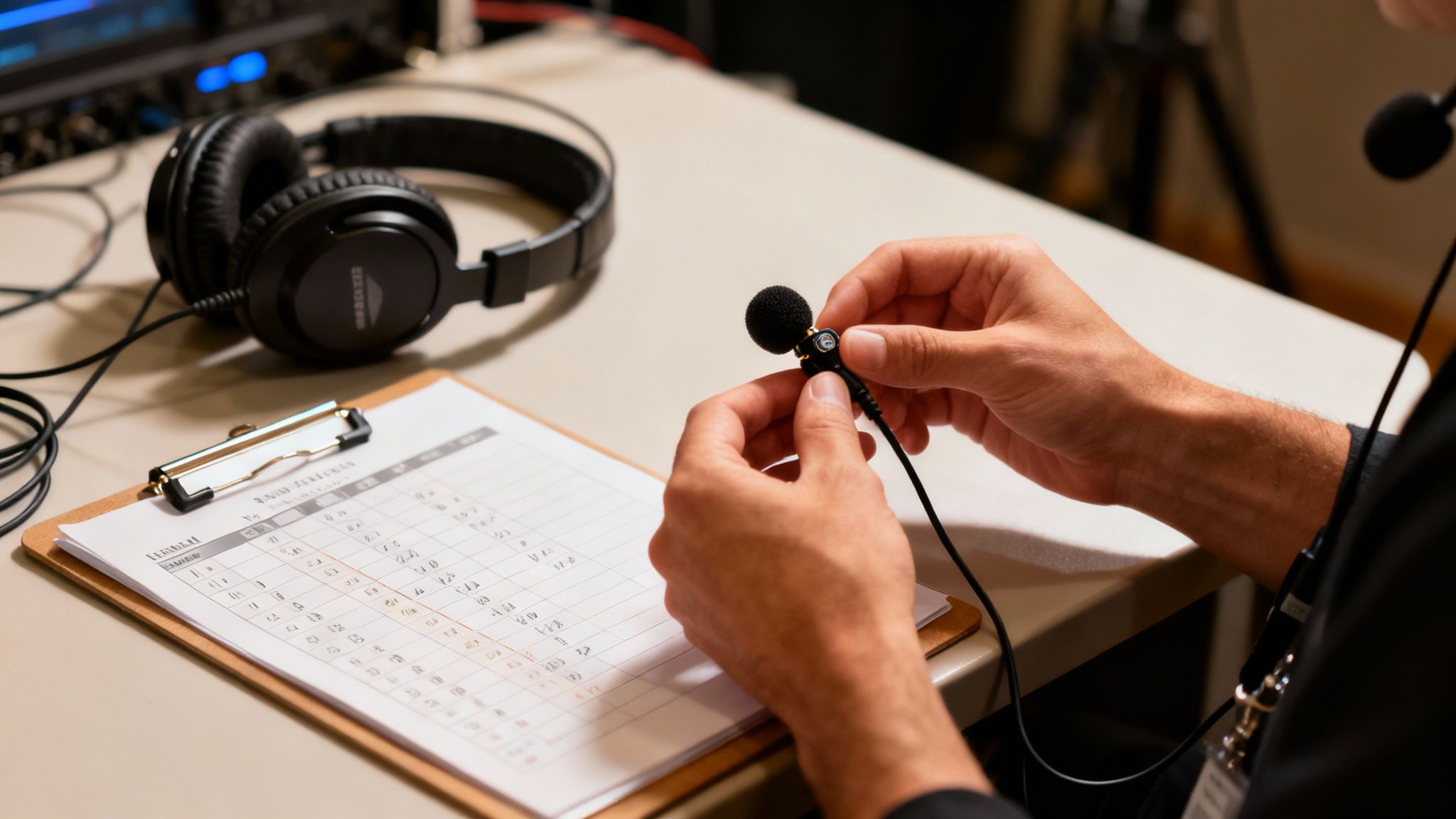
Pulling back the curtain with behind-the-scenes (BTS) content is a fantastic event marketing social media tactic that humanizes your brand and builds a genuine narrative around your event. This strategy moves beyond promotional graphics and speaker announcements to showcase the real effort, passion, and people involved in bringing the experience to life. By sharing the journey, from venue setup to team meetings, you create a deeper, more personal connection with your audience.
This approach transforms your event from a single point in time into an ongoing story, building anticipation and emotional investment. It gives your followers an exclusive look into the planning process, making them feel like insiders and part of a community. This transparency fosters trust and makes the final event feel more meaningful to attendees who have followed along.
Why It Works So Well
Behind-the-scenes content thrives on authenticity, which resonates deeply with today's social media users. It provides a raw, unfiltered view that contrasts with highly polished marketing materials, making your brand more relatable. Festivals like SXSW excel at this, sharing everything from stage construction time-lapses to candid organizer interviews, which builds immense pre-event excitement. This narrative approach makes followers feel invested in the event's success long before they walk through the doors.
How to Implement a BTS Strategy
To effectively build a story around your event using behind-the-scenes content, integrate these steps into your plan:
- Start Early and Build Momentum: Begin sharing BTS content 4-6 weeks before the event. Show early planning meetings, venue walkthroughs, and sneak peeks of branding materials to create a narrative arc.
- Leverage Ephemeral Formats: Use Instagram Stories, TikTok, and Reels for raw, in-the-moment updates. These formats are perfect for showing quick team huddles, unboxings of swag, or funny, unexpected moments.
- Spotlight Your Team and Partners: Humanize your event by introducing the people making it happen. Share short interviews with event planners, A/V technicians, and even volunteers, highlighting their roles and excitement.
- Showcase the Transformation: Document the build-up. Post time-lapses of the stage being built, the exhibition hall transforming from empty to full, or the welcome bags being assembled. This visual storytelling is compelling and highly shareable.
8. Targeted Social Media Advertising & Retargeting
Targeted social media advertising and retargeting are indispensable tools in a modern event marketing social media strategy, allowing you to move beyond organic reach and deliver your message directly to the people most likely to attend. This approach involves using paid campaigns on platforms like LinkedIn, Instagram, and Facebook to pinpoint audiences based on demographics, interests, job titles, and past behaviors, ensuring your marketing dollars are spent efficiently.
Instead of broadcasting your event to a wide, uninterested audience, paid ads let you focus on high-intent individuals. For example, you can retarget users who visited your registration page but didn't complete the purchase, reminding them of the value of your event and nudging them toward conversion. This precision is what makes paid social a powerful engine for driving ticket sales and registrations.
Why It Works So Well
The effectiveness of this strategy lies in its hyper-relevance. You're not just hoping the right people see your content; you are actively placing it in their feeds. A B2B tech conference can target software engineers with specific skill sets on LinkedIn, while a music festival can serve video ads to local users who follow similar artists on Instagram. Retargeting is especially powerful because it engages a warm audience that has already shown interest, dramatically increasing the likelihood of conversion and maximizing your return on ad spend (ROAS).
How to Implement a Paid Advertising Strategy
To launch a successful paid social campaign for your event, follow these actionable steps:
- Define and Segment Your Audience: Go beyond basic demographics. Create detailed audience segments based on buyer personas, such as job titles, company size, interests, and online behaviors. Build lookalike audiences from your email list or past attendee data to find new, similar prospects.
- Implement Conversion Tracking: Before launching, ensure your tracking pixels (like the Meta Pixel or LinkedIn Insight Tag) and UTM parameters are set up correctly. This is critical for measuring your campaign's success, monitoring cost per acquisition (CPA), and optimizing for conversions.
- Create Compelling Ad Creative: Develop 3-5 ad variations to A/B test different messaging, visuals, and calls-to-action (CTAs). Use high-energy video ads showcasing past event highlights or testimonials to capture attention and drive higher engagement.
- Launch a Retargeting Sequence: Immediately begin retargeting website visitors, especially those who abandoned the registration page. Serve them ads that address potential objections, highlight an early-bird discount, or create a sense of urgency to encourage them to complete their purchase.
8-Point Event Social Media Strategy Comparison
| Strategy | 🔄 Implementation Complexity | ⚡ Resource Requirements | ⭐📊 Expected Outcomes | 💡 Ideal Use Cases | Key Advantages |
|---|---|---|---|---|---|
| User-Generated Content (UGC) Campaigns | Low–Medium: set hashtag + moderation workflows | Moderate: community managers, curation tools | ⭐ High organic reach & social proof; variable quality | Consumer festivals, lifestyle events, community building | Authentic content; cost-effective; strong engagement |
| Live Social Media Coverage & Real-Time Engagement | High: live production, rapid decision-making | High: dedicated live team, reliable bandwidth, gear | ⭐📊 Immediate reach, FOMO & live feedback; risk of live errors | Keynotes, product launches, awards, global audiences | Real-time connection; amplifies reach quickly |
| Influencer & Ambassador Partnerships | Medium–High: sourcing, contracts, coordination | Variable: talent fees, legal, tracking tools | ⭐ Targeted credibility and reach; ROI varies by tier | Niche conferences, lifestyle/fashion events, ticketed experiences | Access to engaged niches; scalable content and endorsements |
| Interactive Social Contests & Giveaways | Medium: rules, compliance, fraud prevention | Moderate: prizes, legal review, promo budget | ⭐📊 Rapid follower growth and data capture; short-term spikes | Pre-event hype, list building, consumer-facing promotions | Fast reach expansion; captures first-party data |
| Branded Event Hashtag Strategy & Monitoring | Low–Medium: research + ongoing monitoring | Low: monitoring tools and analyst time | ⭐📊 Better discoverability and sentiment tracking; hijack risk | Large multi-post events, conferences, festivals | Organizes conversations; measurable engagement insights |
| Social Media Event Pages & Calendar Integration | Low–Medium: multi-platform setup and syncing | Moderate: content upkeep, ticketing integration | ⭐ Streamlined registration, centralized updates; platform limits | Ticketed conferences, meetups, recurring events | Single source of truth; reduces support inquiries |
| Behind-the-Scenes Content & Story Building | Medium: consistent content production & permissions | Low–Moderate: basic gear, content staff | ⭐ Sustained pre-event engagement; high relatability | Conferences, festivals, creative or community events | Humanizes brand; generates versatile content pieces |
| Targeted Social Media Advertising & Retargeting | High: audience setup, tracking, optimization | High: ad budget, analytics, ad ops expertise | ⭐📊 Measurable conversions and ticket sales; scalable ROI | Paid acquisition for ticketed events, segmented audiences | Precise targeting; strong conversion tracking and measurement |
Your Blueprint for Social Media Event Success
The strategies we've explored are not just a collection of tactics; they form an interconnected, powerful blueprint for modern event marketing social media success. Moving beyond simple announcements, this framework is about creating an immersive, continuous experience that builds a vibrant community around your brand and event. The goal is to transform passive followers into active participants, advocates, and loyal customers.
By weaving together these dynamic elements, you create a campaign that gains momentum at every stage. You start building hype with behind-the-scenes content, accelerate it with interactive contests, and sustain it through influencer partnerships. Then, you capture the magic in real-time with live coverage and amplify it long after the event ends with compelling user-generated content.
Key Takeaways for Lasting Impact
To truly elevate your event marketing, focus on these core principles:
- Integration is Non-Negotiable: A branded hashtag is powerful, but it becomes unstoppable when combined with a UGC campaign, promoted by influencers, and featured in your live streams. Your strategies must work in concert, not in isolation.
- Authenticity Drives Engagement: From the raw, unpolished feel of behind-the-scenes Stories to the genuine posts from brand ambassadors, authenticity is your most valuable currency. Audiences, especially in the B2B space, crave human connection, not just a sales pitch. According to a 2023 Sprout Social report, 88% of consumers say authenticity is a key factor when deciding which brands they like and support.
- Engagement is a Two-Way Street: Don’t just post; participate. Real-time engagement during live coverage, responding to comments on your event page, and actively monitoring your hashtag are all critical touchpoints. This proactive approach shows your audience you are listening and value their contribution.
Your Actionable Next Steps
Mastering social media for event marketing requires a strategic, phased approach. Before your next event, commit to implementing a few of these high-impact strategies. Start by defining a unique and memorable event hashtag. Next, identify two or three micro-influencers or industry experts to partner with. Finally, build a targeted social media advertising campaign aimed at your ideal attendee profile.
By taking these deliberate steps, you move from merely promoting an event to architecting an experience. You create a narrative that resonates, builds anticipation, and delivers measurable ROI. Whether you're a SaaS company launching a new product or a cybersecurity firm hosting an industry summit, a well-executed event marketing social media plan is what separates a forgotten conference from an unforgettable industry moment.
Ready to turn your social media channels into your most effective event marketing engine? The team at Mick-Mar Inc. specializes in creating comprehensive, data-driven strategies that amplify your message and drive meaningful engagement. Let us help you build a tailored roadmap for your next event by visiting us at Mick-Mar Inc. to learn more.